Building comparison
head to head
Rise of the Tomb RaidervsSilent Hill f
Neither is meaningfully harder - they pose close to the same test. The widest gap is variance, and it is a single point.
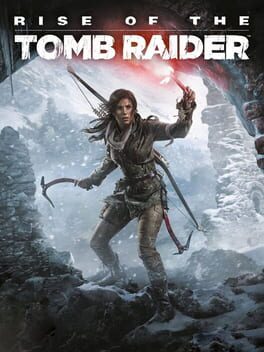
Rise of the Tomb Raider
Optimization · Practiced Mastery
Lara raids Siberian tombs in a stealth-action adventure heavy on puzzles.

Silent Hill f
Optimization · Practiced Mastery
A 1960s rural Japan horror entry pairing stamina-based melee with creeping floral body horror.
Rise of the Tomb Raider leans Optimization (Practiced Mastery); Silent Hill f leans Optimization (Practiced Mastery).
Rise of the Tomb RaiderSilent Hill f
Axis by axis
Execution5 vs 5
Same score on execution - which means the number cannot separate them. The difference is in what each one asks of you.
Rise of the Tomb Raider
Bow aim, stealth timing, and platforming sequences.
Silent Hill f
Stamina-based melee with dodges demands real timing
Reads0 vs 0
Same score on reads - which means the number cannot separate them. The difference is in what each one asks of you.
Rise of the Tomb Raider
Guards follow predictable patrol scripts.
Silent Hill f
Monsters follow fixed attack patterns
Variance2 vs 3
Silent Hill f leans a little harder on variance, though the gap is small.
Rise of the Tomb Raider
Tomb unknowns dissolve after one visit.
Silent Hill f
First-run layouts and shrine choices hide information
Optimization6 vs 7
Silent Hill f leans a little harder on optimization, though the gap is small.
Rise of the Tomb Raider
Tomb puzzles, crafting, and collectible routing are solvable.
Silent Hill f
Resource economy and boss patterns converge with study
A matching score does not mean a matching test. Two games can both sit at 10 on execution and demand completely different things of you - which is why the reasoning above matters more than the number beside it.