Building comparison
head to head
Sang-Froid: Tales of WerewolvesvsTom Clancy's The Division
Neither is meaningfully harder - they pose close to the same test. The widest gap is execution, and it is a single point.

Sang-Froid: Tales of Werewolves
Optimization · Pure Optimization
A tower-defense action hybrid testing trap planning and ambush layout against night waves.
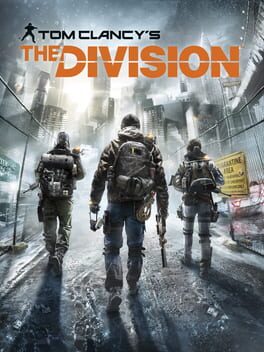
Tom Clancy's The Division
Optimization · Pure Optimization
A cover-based looter shooter where the spreadsheet of gear builds outweighs the gunplay.
Sang-Froid: Tales of Werewolves leans Optimization (Pure Optimization); Tom Clancy's The Division leans Optimization (Pure Optimization).
Sang-Froid: Tales of WerewolvesTom Clancy's The Division
Axis by axis
Execution5 vs 4
Sang-Froid: Tales of Werewolves leans a little harder on execution, though the gap is small.
Sang-Froid: Tales of Werewolves
Combat and trap-firing need some timing under attack
Tom Clancy's The Division
Cover shooting matters but bullet-sponge TTK softens aim skill
Reads2 vs 3
Tom Clancy's The Division leans a little harder on reads, though the gap is small.
Sang-Froid: Tales of Werewolves
Enemies follow scripted attack paths, not adaptation
Tom Clancy's The Division
Dark Zone PvP adds real human betrayal and prediction
Variance4 vs 4
Same score on variance - which means the number cannot separate them. The difference is in what each one asks of you.
Sang-Froid: Tales of Werewolves
Enemy types and approaches are partly randomized nightly
Tom Clancy's The Division
Loot rolls gate power; drops are dice
Optimization8 vs 8
Same score on optimization - which means the number cannot separate them. The difference is in what each one asks of you.
Sang-Froid: Tales of Werewolves
Planning trap placement and ambushes IS the core game
Tom Clancy's The Division
Gear builds, talents, and DPS math dominate endgame
A matching score does not mean a matching test. Two games can both sit at 10 on execution and demand completely different things of you - which is why the reasoning above matters more than the number beside it.