Building comparison
head to head
Shadowrun ReturnsvsThe Elder Scrolls V: Skyrim
Shadowrun Returns asks more than The Elder Scrolls V: Skyrim, and the gap is variance.
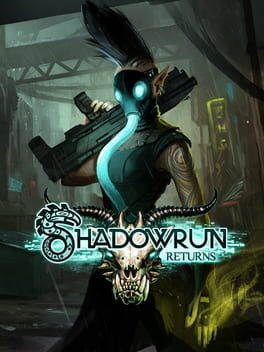
Shadowrun Returns
Optimization · Pure Optimization
A cyberpunk tactics game where karma allocation and archetype synergies define run efficiency.
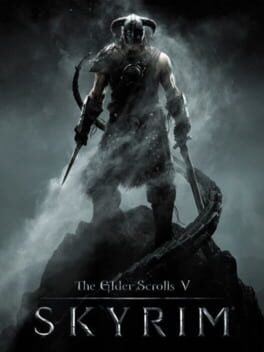
The Elder Scrolls V: Skyrim
Optimization · Pure Optimization
An open-world RPG mostly about discovering and stacking exploitable progression systems.
Shadowrun Returns leans Optimization (Pure Optimization); The Elder Scrolls V: Skyrim leans Optimization (Pure Optimization).
Shadowrun ReturnsThe Elder Scrolls V: Skyrim
Axis by axis
Execution2 vs 3
The Elder Scrolls V: Skyrim leans a little harder on execution, though the gap is small.
Shadowrun Returns
Turn-based tactical combat; cover positioning deliberate not reactive
The Elder Scrolls V: Skyrim
Combat is forgiving; aim and timing rarely punish you.
Reads1 vs 0
Shadowrun Returns leans a little harder on reads, though the gap is small.
Shadowrun Returns
Enemy IC and guards run scripted patrol and aggro routines
The Elder Scrolls V: Skyrim
Enemy AI is scripted and exploitable; not adaptive.
Variance4 vs 2
Shadowrun Returns leans clearly harder on variance.
Shadowrun Returns
Hidden enemy positioning and matrix node layouts provide first-run unknowns
The Elder Scrolls V: Skyrim
Loot tables and leveled lists inject mild randomness.
Optimization7 vs 7
Same score on optimization - which means the number cannot separate them. The difference is in what each one asks of you.
Shadowrun Returns
Karma allocation and archetype synergies have known dominant configurations
The Elder Scrolls V: Skyrim
Skill stacking, enchant loops, and exploits are deeply solvable.
A matching score does not mean a matching test. Two games can both sit at 10 on execution and demand completely different things of you - which is why the reasoning above matters more than the number beside it.