Building comparison
head to head
Skate or DievsThe Need for Speed
Neither is meaningfully harder - they pose close to the same test. The widest gap is variance, and it is a single point.
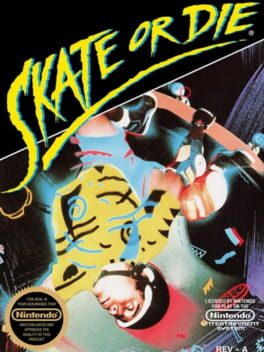
Skate or Die
Execution · Pure Mechanics
Input precision across five fixed skateboarding events with learnable optimal lines.
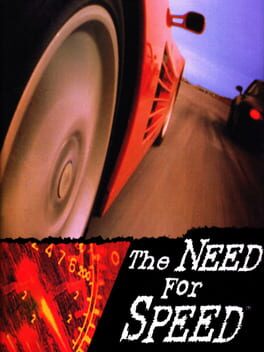
The Need for Speed
Execution · Pure Mechanics
Holding clean lines at speed through traffic on memorisable point-to-point roads.
Skate or Die leans Execution (Pure Mechanics); The Need for Speed leans Execution (Pure Mechanics).
Skate or DieThe Need for Speed
Axis by axis
Execution7 vs 7
Same score on execution - which means the number cannot separate them. The difference is in what each one asks of you.
Skate or Die
Joystick precision on ramps, jumps and races decides every event
The Need for Speed
Holding racing lines at speed through traffic is the test
Reads1 vs 1
Same score on reads - which means the number cannot separate them. The difference is in what each one asks of you.
Skate or Die
Pool joust against another human adds slight prediction
The Need for Speed
AI rivals and police follow fixed behaviour
Variance1 vs 2
The Need for Speed leans a little harder on variance, though the gap is small.
Skate or Die
Courses are fixed; nothing hidden after a few runs
The Need for Speed
Traffic patterns add mild run-to-run noise
Optimization4 vs 3
Skate or Die leans a little harder on optimization, though the gap is small.
Skate or Die
Learning each event's optimal lines and trick values raises scores
The Need for Speed
Track knowledge and car choice settle quickly
A matching score does not mean a matching test. Two games can both sit at 10 on execution and demand completely different things of you - which is why the reasoning above matters more than the number beside it.