Building comparison
head to head
Smash TVvsStar Wars Episode I: Racer
Neither is meaningfully harder - they pose close to the same test. The widest gap is variance, and it is a single point.
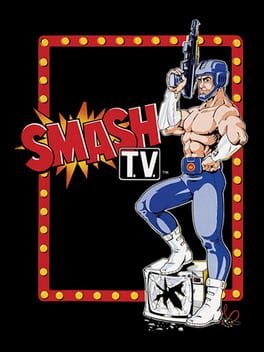
Smash TV
Execution · Pure Mechanics
A twin-stick arcade shooter framed as a lethal game show of swarming arenas and prizes.
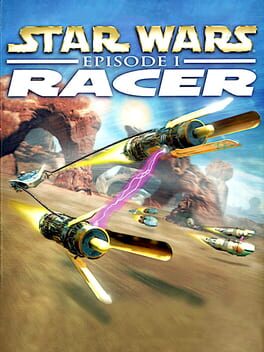
Star Wars Episode I: Racer
Execution · Pure Mechanics
The podracing game whose risk-reward boost system creates a brutal pure-speed skill ceiling.
Smash TV leans Execution (Pure Mechanics); Star Wars Episode I: Racer leans Execution (Pure Mechanics).
Smash TVStar Wars Episode I: Racer
Axis by axis
Execution9 vs 9
Same score on execution - which means the number cannot separate them. The difference is in what each one asks of you.
Smash TV
Twin-stick aim and dodging through swarming arenas is everything.
Star Wars Episode I: Racer
Boost management at 600mph through canyons is pure hands.
Reads0 vs 0
Same score on reads - which means the number cannot separate them. The difference is in what each one asks of you.
Smash TV
Mobs rush mindlessly on scripts.
Star Wars Episode I: Racer
AI racers follow fixed behaviour.
Variance2 vs 1
Smash TV leans a little harder on variance, though the gap is small.
Smash TV
Spawn timing and pickups vary modestly.
Star Wars Episode I: Racer
Fixed tracks; nothing meaningful hidden.
Optimization4 vs 4
Same score on optimization - which means the number cannot separate them. The difference is in what each one asks of you.
Smash TV
Room order, powerup priorities, and boss patterns are learnable.
Star Wars Episode I: Racer
Pod part upgrades and track memorization converge quickly.
A matching score does not mean a matching test. Two games can both sit at 10 on execution and demand completely different things of you - which is why the reasoning above matters more than the number beside it.