Building comparison
head to head
Star Wars Episode I: RacervsSuper Stardust HD
Neither is meaningfully harder - they pose close to the same test. The widest gap is variance, and it is a single point.
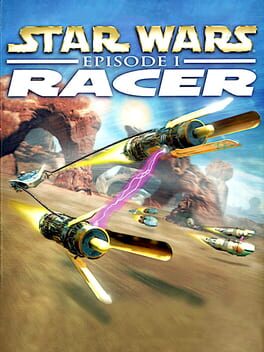
Star Wars Episode I: Racer
Execution · Pure Mechanics
The podracing game whose risk-reward boost system creates a brutal pure-speed skill ceiling.
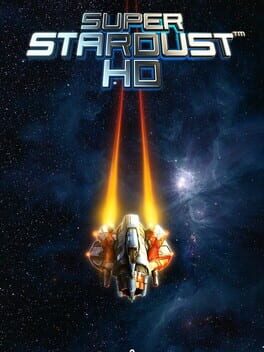
Super Stardust HD
Execution · Pure Mechanics
PS3 twin-stick shooter wrapping planets in asteroid storms and chained multipliers.
Star Wars Episode I: Racer leans Execution (Pure Mechanics); Super Stardust HD leans Execution (Pure Mechanics).
Star Wars Episode I: RacerSuper Stardust HD
Axis by axis
Execution9 vs 9
Same score on execution - which means the number cannot separate them. The difference is in what each one asks of you.
Star Wars Episode I: Racer
Boost management at 600mph through canyons is pure hands.
Super Stardust HD
Twin-stick precision amid screen-filling asteroid chaos
Reads0 vs 0
Same score on reads - which means the number cannot separate them. The difference is in what each one asks of you.
Star Wars Episode I: Racer
AI racers follow fixed behaviour.
Super Stardust HD
Spawns follow fixed logic, no adaptation
Variance1 vs 2
Super Stardust HD leans a little harder on variance, though the gap is small.
Star Wars Episode I: Racer
Fixed tracks; nothing meaningful hidden.
Super Stardust HD
Spawn positions vary modestly per run
Optimization4 vs 4
Same score on optimization - which means the number cannot separate them. The difference is in what each one asks of you.
Star Wars Episode I: Racer
Pod part upgrades and track memorization converge quickly.
Super Stardust HD
Weapon matching and multiplier preservation reward strategy
A matching score does not mean a matching test. Two games can both sit at 10 on execution and demand completely different things of you - which is why the reasoning above matters more than the number beside it.