Building comparison
head to head
Super Mario RPG: Legend of the Seven StarsvsThe Legend of Zelda: Phantom Hourglass
Neither is harder. They score identically on all four axes, so the difference between them is in kind, not degree.
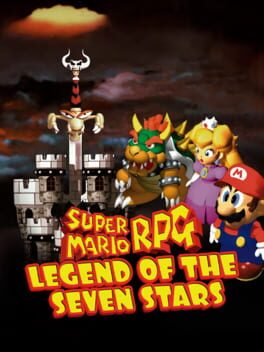
Super Mario RPG: Legend of the Seven Stars
Optimization · Pure Optimization
A charming turn-based RPG where timed button presses add light dexterity to simple optimization.
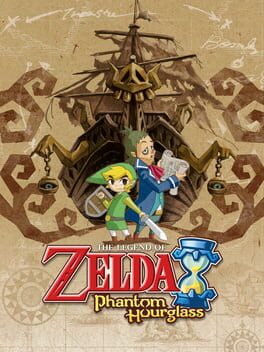
The Legend of Zelda: Phantom Hourglass
Optimization · Pure Optimization
Touch-controlled DS Zelda centered on re-running a timed stealth dungeon ever faster.
Super Mario RPG: Legend of the Seven Stars leans Optimization (Pure Optimization); The Legend of Zelda: Phantom Hourglass leans Optimization (Pure Optimization).
Super Mario RPG: Legend of the Seven StarsThe Legend of Zelda: Phantom Hourglass
Axis by axis
Execution3 vs 3
Same score on execution - which means the number cannot separate them. The difference is in what each one asks of you.
Super Mario RPG: Legend of the Seven Stars
Timed hits and blocks reward rhythm.
The Legend of Zelda: Phantom Hourglass
Stylus controls are simple and forgiving
Reads0 vs 0
Same score on reads - which means the number cannot separate them. The difference is in what each one asks of you.
Super Mario RPG: Legend of the Seven Stars
Bosses use fixed attack scripts.
The Legend of Zelda: Phantom Hourglass
Phantoms patrol fixed routes
Variance2 vs 2
Same score on variance - which means the number cannot separate them. The difference is in what each one asks of you.
Super Mario RPG: Legend of the Seven Stars
Hidden chests and first-run boss surprises.
The Legend of Zelda: Phantom Hourglass
Sea exploration unknowns first run
Optimization7 vs 7
Same score on optimization - which means the number cannot separate them. The difference is in what each one asks of you.
Super Mario RPG: Legend of the Seven Stars
Gear, timing knowledge, and stat routing solve fights.
The Legend of Zelda: Phantom Hourglass
Temple of the Ocean King rewards optimized repeat routing
A matching score does not mean a matching test. Two games can both sit at 10 on execution and demand completely different things of you - which is why the reasoning above matters more than the number beside it.
full breakdown
Super Mario RPG: Legend of the Seven Stars →
full breakdown
The Legend of Zelda: Phantom Hourglass →
Related comparisons
Portal 2 vs Super Mario RPG: Legend of the Seven StarsPortal 2 vs The Legend of Zelda: Phantom HourglassSuper Mario RPG: Legend of the Seven Stars vs The Elder Scrolls V: SkyrimThe Elder Scrolls V: Skyrim vs The Legend of Zelda: Phantom HourglassPortal vs Super Mario RPG: Legend of the Seven StarsPortal vs The Legend of Zelda: Phantom Hourglass