Building comparison
head to head
Tabletop SimulatorvsTown of Salem 2
Town of Salem 2 asks more than Tabletop Simulator, and the gap is reads.
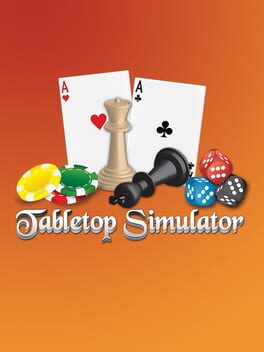
Tabletop Simulator
Reads · Bluff & Deduction
A physics sandbox whose actual skill test is whatever board game you load into it.
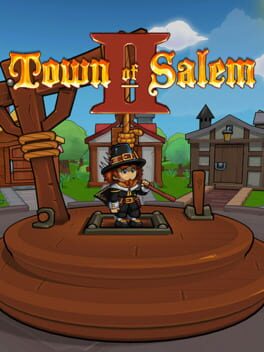
Town of Salem 2
Reads · Bluff & Deduction
A town full of hidden roles lies, deduces, and lynches its way to a faction victory.
Tabletop Simulator leans Reads (Bluff & Deduction); Town of Salem 2 leans Reads (Bluff & Deduction).
Tabletop SimulatorTown of Salem 2
Axis by axis
Execution1 vs 0
Tabletop Simulator leans a little harder on execution, though the gap is small.
Tabletop Simulator
Fiddly physics manipulation, never a skill ceiling
Town of Salem 2
Text chat and votes; no mechanical skill at all.
Reads4 vs 9
Town of Salem 2 leans clearly harder on reads.
Tabletop Simulator
Depends entirely on the tabletop game played with humans
Town of Salem 2
Out-bluffing adaptive humans who model your claims is the game.
Variance4 vs 7
Town of Salem 2 leans clearly harder on variance.
Tabletop Simulator
Dice and shuffled decks supply whatever randomness the game has
Town of Salem 2
Hidden roles and random role lists dominate early information.
Optimization3 vs 5
Town of Salem 2 leans clearly harder on optimization.
Tabletop Simulator
Strategy lives in the hosted game, not the simulator
Town of Salem 2
Role mechanics, claim space, and voting math reward study.
A matching score does not mean a matching test. Two games can both sit at 10 on execution and demand completely different things of you - which is why the reasoning above matters more than the number beside it.