Building comparison
head to head
The Lord of the Rings: The Battle for Middle-earthvsWarhammer 40,000: Dawn of War
Neither is meaningfully harder - they pose close to the same test. The widest gap is execution, and it is a single point.
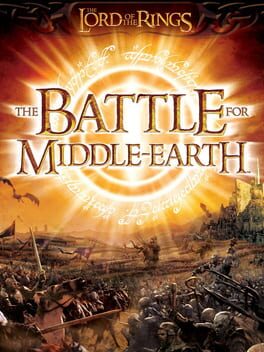
The Lord of the Rings: The Battle for Middle-earth
Optimization · Mind & Math
Tolkien RTS where build orders and army counters decide the war for Middle-earth.
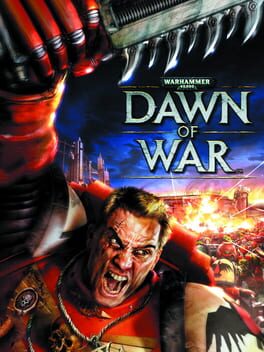
Warhammer 40,000: Dawn of War
Reads · Grand Arena
Grimdark RTS where requisition nodes, squad reinforcement, and chapter counter-picks define competitive depth.
The Lord of the Rings: The Battle for Middle-earth leans Optimization (Mind & Math); Warhammer 40,000: Dawn of War leans Reads (Grand Arena).
The Lord of the Rings: The Battle for Middle-earthWarhammer 40,000: Dawn of War
Axis by axis
Execution5 vs 6
Warhammer 40,000: Dawn of War leans a little harder on execution, though the gap is small.
The Lord of the Rings: The Battle for Middle-earth
Micro and multitasking under real-time pressure
Warhammer 40,000: Dawn of War
Squad retreat timing and builder unit micro require practiced hands
Reads6 vs 7
Warhammer 40,000: Dawn of War leans a little harder on reads, though the gap is small.
The Lord of the Rings: The Battle for Middle-earth
Multiplayer rewards predicting opponent army choices
Warhammer 40,000: Dawn of War
Opponent chapter choice and rush timing must be predicted
Variance3 vs 3
Same score on variance - which means the number cannot separate them. The difference is in what each one asks of you.
The Lord of the Rings: The Battle for Middle-earth
Scouting hides enemy composition until revealed
Warhammer 40,000: Dawn of War
Relic capture variance and squad reinforcement timing add uncertainty
Optimization7 vs 7
Same score on optimization - which means the number cannot separate them. The difference is in what each one asks of you.
The Lord of the Rings: The Battle for Middle-earth
Build orders and counter units are largely solvable
Warhammer 40,000: Dawn of War
Requisition node priority and tech tree builds are well-studied
A matching score does not mean a matching test. Two games can both sit at 10 on execution and demand completely different things of you - which is why the reasoning above matters more than the number beside it.
full breakdown
The Lord of the Rings: The Battle for Middle-earth →
full breakdown
Warhammer 40,000: Dawn of War →
Related comparisons
Age of Empires vs The Lord of the Rings: The Battle for Middle-earthWarcraft III: Reign of Chaos vs Warhammer 40,000: Dawn of WarAge of Mythology vs The Lord of the Rings: The Battle for Middle-earthStarCraft vs Warhammer 40,000: Dawn of WarAge of Empires III vs The Lord of the Rings: The Battle for Middle-earthOverwatch vs Warhammer 40,000: Dawn of War