Building comparison
head to head
Tom Clancy's Ghost Recon WildlandsvsTom Clancy's Splinter Cell: Double Agent
Tom Clancy's Splinter Cell: Double Agent asks more than Tom Clancy's Ghost Recon Wildlands, and the gap is optimization.
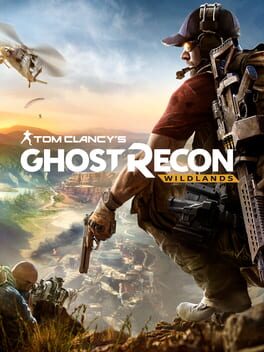
Tom Clancy's Ghost Recon Wildlands
Optimization · Practiced Mastery
An open-world co-op shooter about scouting cartel bases and picking the cleanest approach.
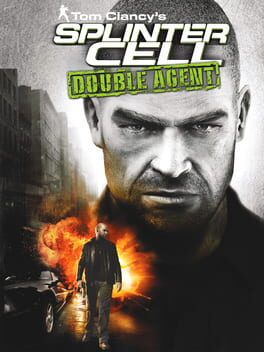
Tom Clancy's Splinter Cell: Double Agent
Optimization · Practiced Mastery
A double-agent stealth game where managing two factions' trust meters becomes the core puzzle.
Tom Clancy's Ghost Recon Wildlands leans Optimization (Practiced Mastery); Tom Clancy's Splinter Cell: Double Agent leans Optimization (Practiced Mastery).
Tom Clancy's Ghost Recon WildlandsTom Clancy's Splinter Cell: Double Agent
Axis by axis
Execution5 vs 6
Tom Clancy's Splinter Cell: Double Agent leans a little harder on execution, though the gap is small.
Tom Clancy's Ghost Recon Wildlands
Headshots, drone marking, and sync shots reward steady aim
Tom Clancy's Splinter Cell: Double Agent
Stealth movement and timed objectives need steady hands.
Reads1 vs 2
Tom Clancy's Splinter Cell: Double Agent leans a little harder on reads, though the gap is small.
Tom Clancy's Ghost Recon Wildlands
Enemy AI is scripted patrol logic, not adaptive
Tom Clancy's Splinter Cell: Double Agent
Trust meter pressure is scripted, not adaptive.
Variance3 vs 3
Same score on variance - which means the number cannot separate them. The difference is in what each one asks of you.
Tom Clancy's Ghost Recon Wildlands
Patrol spawns and reinforcements add mild unpredictability
Tom Clancy's Splinter Cell: Double Agent
Branching trust outcomes are unknown on first play.
Optimization6 vs 8
Tom Clancy's Splinter Cell: Double Agent leans clearly harder on optimization.
Tom Clancy's Ghost Recon Wildlands
Outpost approach planning and skill unlocks carry progression
Tom Clancy's Splinter Cell: Double Agent
Balancing JBA and NSA trust is a solvable system.
A matching score does not mean a matching test. Two games can both sit at 10 on execution and demand completely different things of you - which is why the reasoning above matters more than the number beside it.
full breakdown
Tom Clancy's Ghost Recon Wildlands →
full breakdown
Tom Clancy's Splinter Cell: Double Agent →
Related comparisons
Grand Theft Auto V vs Tom Clancy's Ghost Recon WildlandsGrand Theft Auto V vs Tom Clancy's Splinter Cell: Double AgentThe Witcher 3: Wild Hunt vs Tom Clancy's Ghost Recon WildlandsThe Witcher 3: Wild Hunt vs Tom Clancy's Splinter Cell: Double AgentGrand Theft Auto: San Andreas vs Tom Clancy's Ghost Recon WildlandsGrand Theft Auto: San Andreas vs Tom Clancy's Splinter Cell: Double Agent