Building comparison
head to head
World in ConflictvsWorms W.M.D
Neither is meaningfully harder - they pose close to the same test. The widest gap is variance, and it is a single point.
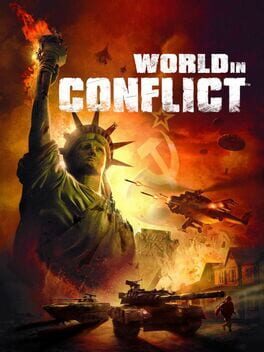
World in Conflict
Reads · Mind & Math
Cold-War-gone-hot tactical RTS with no base building, just role-based unit warfare and nukes.
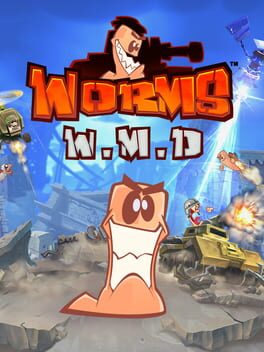
Worms W.M.D
Reads · Competitive PvP
Modern Worms with crafting and vehicles, keeping the classic turn-based destructible-terrain warfare.
World in Conflict leans Reads (Mind & Math); Worms W.M.D leans Reads (Competitive PvP).
World in ConflictWorms W.M.D
Axis by axis
Execution5 vs 5
Same score on execution - which means the number cannot separate them. The difference is in what each one asks of you.
World in Conflict
Fast tactical micro and ability timing under fire
Worms W.M.D
Shot arcs, rope swings and vehicle control demand precision
Reads6 vs 6
Same score on reads - which means the number cannot separate them. The difference is in what each one asks of you.
World in Conflict
Team multiplayer hinges on predicting enemy drops
Worms W.M.D
Multiplayer turns hinge on out-guessing rival worm placement
Variance3 vs 4
Worms W.M.D leans a little harder on variance, though the gap is small.
World in Conflict
Limited intel on enemy reinforcement choices
Worms W.M.D
Wind, crates and random terrain reshape options
Optimization6 vs 5
World in Conflict leans a little harder on optimization, though the gap is small.
World in Conflict
Unit counters and tactical-aid economy are learnable
Worms W.M.D
Crafting and weapon budgeting reward planned turns
A matching score does not mean a matching test. Two games can both sit at 10 on execution and demand completely different things of you - which is why the reasoning above matters more than the number beside it.