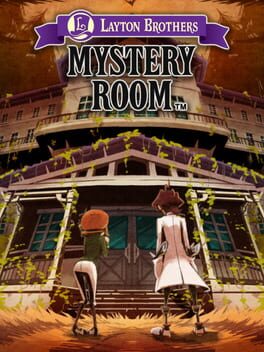
games like
Layton Brothers: Mystery Room
Layton Brothers: Mystery Room leans Optimization (Pure Optimization). Below: catalogued games with the closest cheat-test profile, and exactly where each one differs.
Matched first against: Puzzle, Adventure - then ranked by cheat-test profile.
12 games like Layton Brothers: Mystery Room
A cross-genre tag below means that pick didn't share a genre - it filled a slot on cheat-test profile alone.
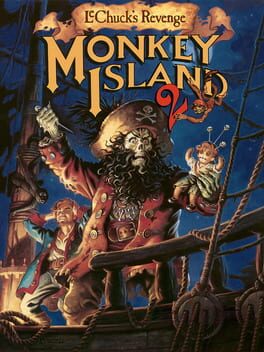
Both lean on execution about the same (1 vs 1). Biggest difference: reads (1 vs 0) - All puzzles are scripted; no opponent models the player
full comparison →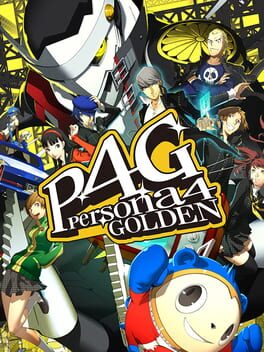
Both lean on execution about the same (1 vs 1). Biggest difference: variance (2 vs 3) - Weakness and crit rolls
full comparison →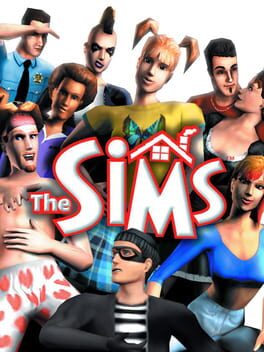
Both lean on execution about the same (1 vs 1). Biggest difference: reads (1 vs 0) - Sims run need-driven scripts, not minds
full comparison →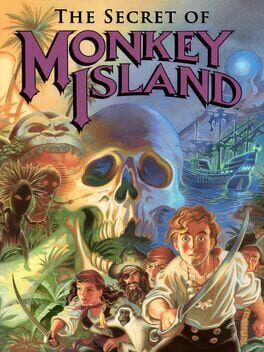
Both lean on execution about the same (1 vs 1). Biggest difference: reads (1 vs 0) - No adaptive opponent; all puzzles are fixed and authored
full comparison →
Both lean on variance about the same (2 vs 2). Biggest difference: execution (1 vs 2) - Paradigm shifts need timely menu reactions
full comparison →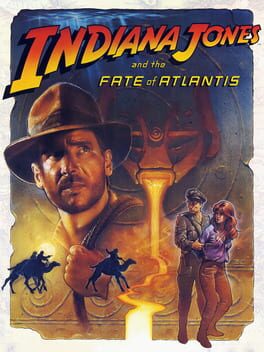
Both lean on execution about the same (1 vs 1). Biggest difference: reads (1 vs 0) - No adaptive opposition
full comparison →
Both lean on execution about the same (1 vs 1). Biggest difference: variance (2 vs 3) - Some dialogue outcomes and item discoveries are hidden until explored
full comparison →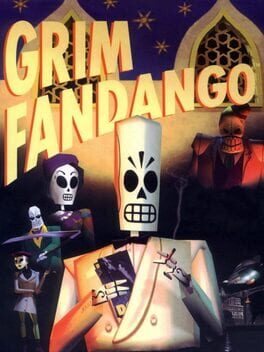
Both lean on execution about the same (1 vs 1). Biggest difference: reads (1 vs 0) - All characters follow scripted arcs; nothing adapts to the player
full comparison →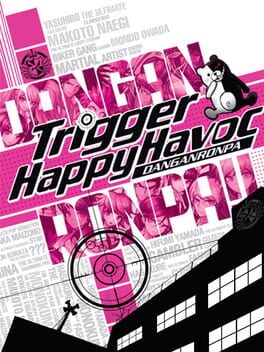
Both lean on execution about the same (1 vs 1). Biggest difference: reads (1 vs 0) - Blackened is scripted per chapter; no adaptive deduction opponent
full comparison →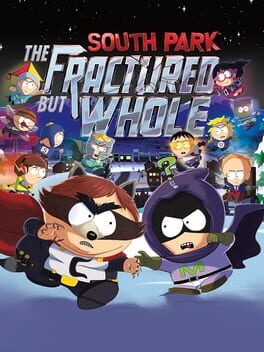
Both lean on variance about the same (2 vs 2). Biggest difference: execution (1 vs 2) - Timing minigames barely gate the grid combat
full comparison →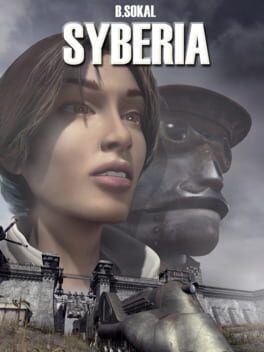
Both lean on execution about the same (1 vs 1). Biggest difference: reads (1 vs 0) - NPCs follow scripted dialogue trees with no adaptive modelling
full comparison →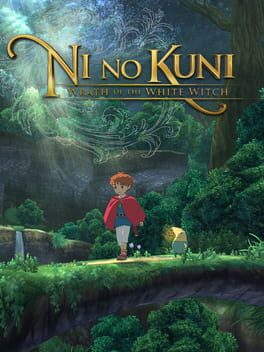
Both lean on reads about the same (1 vs 1). Biggest difference: execution (1 vs 2) - Hybrid action-turn combat, low input demand
full comparison →Game details
- Released
- 2012
- Developer
- Matrix Software
- Platforms
- Android, iOS
- Modes
- Single player
- IGDB critics
- 70/100
- IGDB users
- 80/100