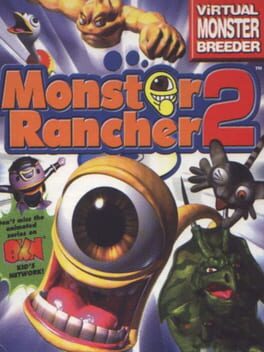
games like
Monster Rancher 2
Monster Rancher 2 leans Optimization (Systems & Chaos). Below: catalogued games with the closest cheat-test profile, and exactly where each one differs.
Matched first against: Platform, Role-playing (RPG), Simulator, Strategy - then ranked by cheat-test profile.
12 games like Monster Rancher 2
A cross-genre tag below means that pick didn't share a genre - it filled a slot on cheat-test profile alone.
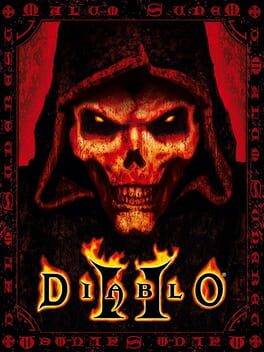
Both lean on execution about the same (2 vs 2). Biggest difference: reads (1 vs 0) - Monster AI is fully mappable
full comparison →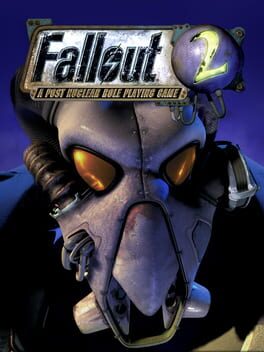
Both lean on execution about the same (2 vs 2). Biggest difference: variance (6 vs 5) - Hidden special encounters and timed events create significant unknown-information space
full comparison →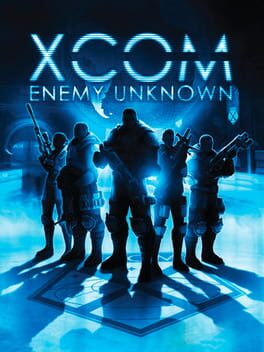
Both lean on reads about the same (1 vs 1). Biggest difference: execution (2 vs 3) - Turn-based; no twitch inputs; cover placement has mild precision
full comparison →
Both lean on execution about the same (2 vs 2). Biggest difference: reads (1 vs 0) - Scripted encounters, no adaptation.
full comparison →
Both lean on execution about the same (2 vs 2). Biggest difference: variance (6 vs 5) - Armor/strength interaction and random narrative outcomes create variance
full comparison →
Both lean on execution about the same (2 vs 2). Biggest difference: variance (6 vs 5) - Hit and crit rates plus random level-up stats create run variance
full comparison →
Both lean on execution about the same (2 vs 2). Biggest difference: reads (1 vs 0) - Solo dungeon crawl, no adaptive opposition
full comparison →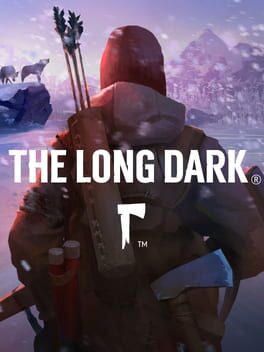
Both lean on execution about the same (2 vs 2). Biggest difference: reads (1 vs 0) - Wildlife behaves via scripted threat logic, not player modelling
full comparison →
Both lean on execution about the same (2 vs 2). Biggest difference: variance (6 vs 5) - Relic substat RNG and gacha pulls drive character progression
full comparison →
Both lean on execution about the same (2 vs 2). Biggest difference: variance (6 vs 5) - catch rates and stats have randomness
full comparison →
Both lean on variance about the same (6 vs 6). Biggest difference: execution (2 vs 1) - Turn-based; only inventory clicking
full comparison →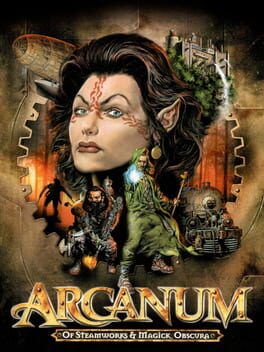
Both lean on execution about the same (2 vs 2). Biggest difference: variance (6 vs 5) - Hidden technology diagrams and faction reaction thresholds create exploration unknowns
full comparison →Game details
- Released
- 1999
- Developer
- Tecmo
- Platforms
- PS1
- Modes
- Single player, Multiplayer
- IGDB users
- 70/100