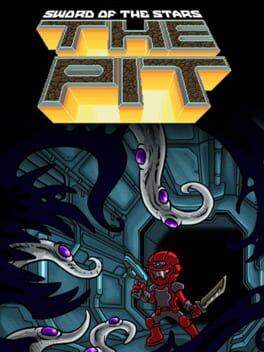
games like
Sword of the Stars: The Pit
Sword of the Stars: The Pit leans Optimization (Systems & Chaos). Below: catalogued games with the closest cheat-test profile, and exactly where each one differs.
Matched first against: Role-playing (RPG), Turn-based strategy (TBS), Tactical - then ranked by cheat-test profile.
12 games like Sword of the Stars: The Pit
A cross-genre tag below means that pick didn't share a genre - it filled a slot on cheat-test profile alone.
Both lean on reads about the same (0 vs 0). Biggest difference: execution (1 vs 0) - turn-based, no dexterity
full comparison →
Both lean on reads about the same (0 vs 0). Biggest difference: execution (1 vs 2) - Pause-and-play tactics, no input precision.
full comparison →
Both lean on execution about the same (1 vs 1). Biggest difference: optimization (8 vs 9) - Joker synergies and scoring math are the core puzzle.
full comparison →
Both lean on execution about the same (1 vs 1). Biggest difference: variance (7 vs 6) - Hit rolls, random maps, and unseen aliens punish constantly
full comparison →
Both lean on reads about the same (0 vs 0). Biggest difference: execution (1 vs 0) - Menu-driven duels
full comparison →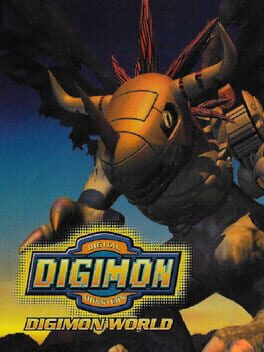
Both lean on reads about the same (0 vs 0). Biggest difference: execution (1 vs 2) - Light real-time battle nudging and timing
full comparison →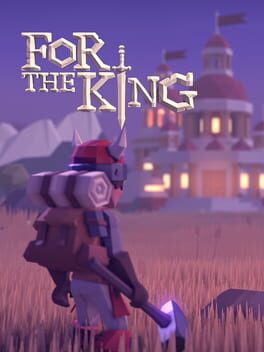
Both lean on execution about the same (1 vs 1). Biggest difference: optimization (8 vs 7) - Focus economy, routing and loadout play beat the odds
full comparison →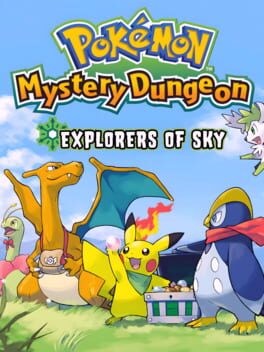
Both lean on execution about the same (1 vs 1). Biggest difference: variance (7 vs 6) - Random floors and item luck, cushioned by forgiving design
full comparison →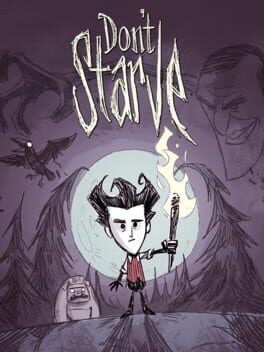
Both lean on reads about the same (0 vs 0). Biggest difference: execution (1 vs 2) - Kiting combat is simple but timing matters marginally
full comparison →
Both lean on execution about the same (1 vs 1). Biggest difference: reads (0 vs 1) - Storyteller AI is randomised, not adaptive to you.
full comparison →
Both lean on execution about the same (1 vs 1). Biggest difference: variance (7 vs 6) - Room deck draws randomise each run's layout and available doors
full comparison →
Both lean on reads about the same (0 vs 0). Biggest difference: execution (1 vs 2) - Rafting demands light steering, encounters avoidable
full comparison →Game details
- Released
- 2013
- Developer
- Kerberos Productions
- Platforms
- Linux, PC, Mac
- Modes
- Single player
- IGDB critics
- 70/100
- IGDB users
- 78/100