games like
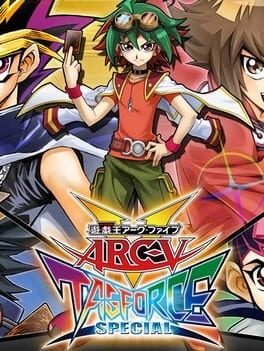
Yu-Gi-Oh! ARC-V Tag Force Special
Yu-Gi-Oh! ARC-V Tag Force Special leans Optimization (Systems & Chaos). Below: catalogued games with the closest cheat-test profile, and exactly where each one differs.
Matched first against: Strategy, Card & Board Game - then ranked by cheat-test profile.
12 games like Yu-Gi-Oh! ARC-V Tag Force Special
A cross-genre tag below means that pick didn't share a genre - it filled a slot on cheat-test profile alone.
Both lean on execution about the same (1 vs 1). Biggest difference: reads (1 vs 2) - Scripted opponents with light bluff moments, not true adaptation.
full comparison →
Both lean on reads about the same (1 vs 1). Biggest difference: execution (1 vs 2) - Turn-based; willpower spend timing is the sole execution nuance
full comparison →
Both lean on reads about the same (1 vs 1). Biggest difference: execution (1 vs 2) - No twitch elements; pair-up placement is the only spatial decision under time
full comparison →
Both lean on execution about the same (1 vs 1). Biggest difference: variance (5 vs 4) - Encounter tables, catch rolls and crits are mappable RNG
full comparison →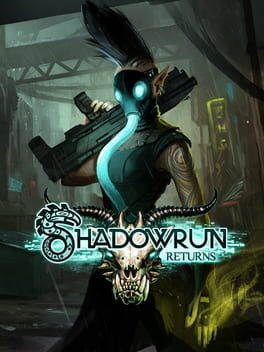
Both lean on reads about the same (1 vs 1). Biggest difference: execution (1 vs 2) - Turn-based tactical combat; cover positioning deliberate not reactive
full comparison →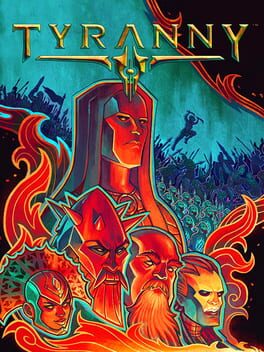
Both lean on execution about the same (1 vs 1). Biggest difference: variance (5 vs 4) - Skill check thresholds and hidden lore flags create unknown-information branches
full comparison →
Both lean on execution about the same (1 vs 1). Biggest difference: reads (1 vs 0) - Mob and city events are scripted
full comparison →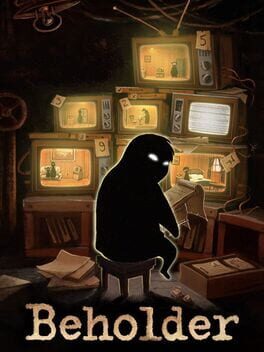
Both lean on execution about the same (1 vs 1). Biggest difference: reads (1 vs 0) - Tenants follow scripted schedules, not adaptive
full comparison →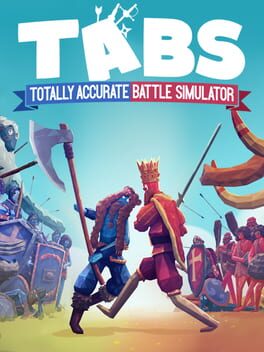
Both lean on execution about the same (1 vs 1). Biggest difference: reads (1 vs 0) - No adaptive opponent in campaign sandbox
full comparison →
Both lean on reads about the same (1 vs 1). Biggest difference: execution (1 vs 2) - Turn-based menu play; no hand-speed demands
full comparison →
Both lean on reads about the same (1 vs 1). Biggest difference: execution (1 vs 2) - Turn-based tactical combat has no twitch component
full comparison →
Both lean on execution about the same (1 vs 1). Biggest difference: reads (1 vs 2) - Arena defense teams are AI-run, so prediction is shallow
full comparison →Game details
- Released
- 2015
- Franchise
- Yu-Gi-Oh!
- Platforms
- PSP
- IGDB users
- 96/100