Building comparison
head to head
60 Seconds!vsDon't Starve
Don't Starve asks more than 60 Seconds!, and the gap is optimization.
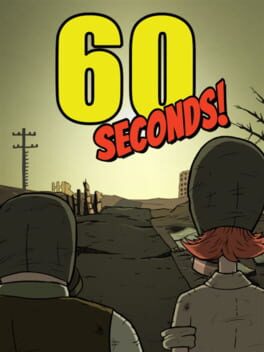
60 Seconds!
Variance · Systems & Chaos
A dark comedy about grabbing supplies in sixty seconds, then surviving the fallout shelter's random cruelties.
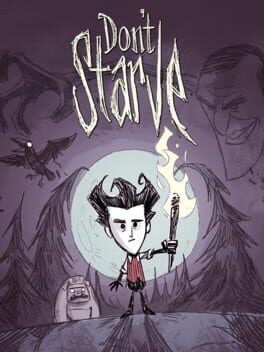
Don't Starve
Variance · Systems & Chaos
Surviving randomised wilderness seasons by reading the world's systems and planning resources ahead.
60 Seconds! leans Variance (Systems & Chaos); Don't Starve leans Variance (Systems & Chaos).
60 Seconds!Don't Starve
Axis by axis
Execution2 vs 2
Same score on execution - which means the number cannot separate them. The difference is in what each one asks of you.
60 Seconds!
Frantic one-minute house scavenge needs quick navigation
Don't Starve
Kiting combat is simple but timing matters marginally
Reads0 vs 0
Same score on reads - which means the number cannot separate them. The difference is in what each one asks of you.
60 Seconds!
No adaptive opposition
Don't Starve
Enemies follow fixed aggression rules, not player adaptation
Variance7 vs 7
Same score on variance - which means the number cannot separate them. The difference is in what each one asks of you.
60 Seconds!
Random events decide who lives in the bunker
Don't Starve
World generation, season timing, and loot rolls are highly random
Optimization5 vs 7
Don't Starve leans clearly harder on optimization.
60 Seconds!
Supply priorities and event answers are learnable
Don't Starve
Seasonal resource planning and character synergies are deeply solvable
A matching score does not mean a matching test. Two games can both sit at 10 on execution and demand completely different things of you - which is why the reasoning above matters more than the number beside it.