Building comparison
head to head
7 Days to DievsCult of the Lamb: Cultist Edition
Neither is meaningfully harder - they pose close to the same test. The widest gap is execution, and it is a single point.

7 Days to Die
Optimization · Pure Optimization
A zombie survival crafter where horde-night base design carries the game.
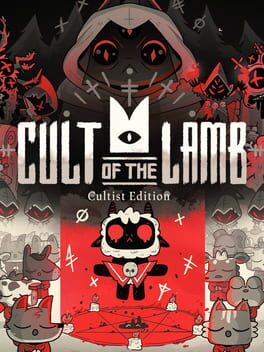
Cult of the Lamb: Cultist Edition
Optimization · Practiced Mastery
Managing a cult's economy and rituals between light roguelike combat runs.
7 Days to Die leans Optimization (Pure Optimization); Cult of the Lamb: Cultist Edition leans Optimization (Practiced Mastery).
7 Days to DieCult of the Lamb: Cultist Edition
Axis by axis
Execution4 vs 5
Cult of the Lamb: Cultist Edition leans a little harder on execution, though the gap is small.
7 Days to Die
Aim and movement during horde nights matter.
Cult of the Lamb: Cultist Edition
Dodge-roll combat matters but stays forgiving
Reads1 vs 0
7 Days to Die leans a little harder on reads, though the gap is small.
7 Days to Die
Zombie AI is largely scripted with minor pathing adaptation.
Cult of the Lamb: Cultist Edition
Enemies and bosses are scripted, never adaptive
Variance4 vs 4
Same score on variance - which means the number cannot separate them. The difference is in what each one asks of you.
7 Days to Die
World generation and loot rolls randomized.
Cult of the Lamb: Cultist Edition
Weapon, curse and dungeon rolls vary each crusade
Optimization7 vs 7
Same score on optimization - which means the number cannot separate them. The difference is in what each one asks of you.
7 Days to Die
Base design and horde-night kill funnels dominate.
Cult of the Lamb: Cultist Edition
Cult economy, follower loops and doctrine planning dominate
A matching score does not mean a matching test. Two games can both sit at 10 on execution and demand completely different things of you - which is why the reasoning above matters more than the number beside it.