Building comparison
head to head
Back to the Future: The GamevsPilgrims
Neither is meaningfully harder - they pose close to the same test. The widest gap is execution, and it is a single point.
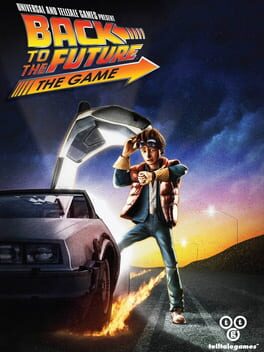
Back to the Future: The Game
Optimization · Pure Optimization
A story-first adventure with gentle item-puzzle logic as its only test.
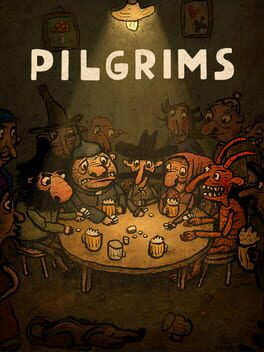
Pilgrims
Optimization · Pure Optimization
Tests playful experimentation with item combinations across a small storybook world.
Back to the Future: The Game leans Optimization (Pure Optimization); Pilgrims leans Optimization (Pure Optimization).
Back to the Future: The GamePilgrims
Axis by axis
Execution0 vs 1
Pilgrims leans a little harder on execution, though the gap is small.
Back to the Future: The Game
Telltale point-and-click, zero dexterity
Pilgrims
Playing cards on scenes takes no dexterity
Reads0 vs 0
Same score on reads - which means the number cannot separate them. The difference is in what each one asks of you.
Back to the Future: The Game
Characters follow the episodic script
Pilgrims
Charming NPCs react predictably, never adapt
Variance2 vs 2
Same score on variance - which means the number cannot separate them. The difference is in what each one asks of you.
Back to the Future: The Game
Puzzle solutions are hidden until found
Pilgrims
Outcomes are scripted-but-unknown until experimented with
Optimization6 vs 5
Back to the Future: The Game leans a little harder on optimization, though the gap is small.
Back to the Future: The Game
Light item-logic puzzles drive each episode
Pilgrims
Finding multiple item-combination solutions is the whole game
A matching score does not mean a matching test. Two games can both sit at 10 on execution and demand completely different things of you - which is why the reasoning above matters more than the number beside it.