Building comparison
head to head
Bad NorthvsPokémon Mystery Dungeon: Gates to Infinity
Neither is meaningfully harder - they pose close to the same test. The widest gap is execution, and it is a single point.
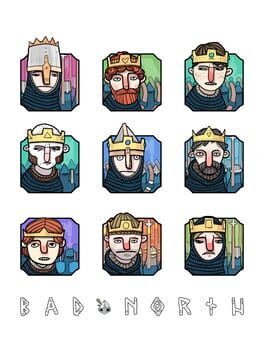
Bad North
Optimization · Systems & Chaos
A minimalist real-time tactics roguelite about defending tiny procedural islands.

Pokémon Mystery Dungeon: Gates to Infinity
Optimization · Systems & Chaos
Turn-based dungeon crawling testing resource management against randomised floors.
Bad North leans Optimization (Systems & Chaos); Pokémon Mystery Dungeon: Gates to Infinity leans Optimization (Systems & Chaos).
Bad NorthPokémon Mystery Dungeon: Gates to Infinity
Axis by axis
Execution2 vs 1
Bad North leans a little harder on execution, though the gap is small.
Bad North
Real-time orders need only light micro.
Pokémon Mystery Dungeon: Gates to Infinity
Turn-based grid moves involve no dexterity
Reads0 vs 0
Same score on reads - which means the number cannot separate them. The difference is in what each one asks of you.
Bad North
Viking waves random, not adaptive.
Pokémon Mystery Dungeon: Gates to Infinity
Dungeon Pokémon follow simple rules, never adapt
Variance5 vs 5
Same score on variance - which means the number cannot separate them. The difference is in what each one asks of you.
Bad North
Procedural islands and enemy compositions.
Pokémon Mystery Dungeon: Gates to Infinity
Random floor layouts and item spawns vary each delve
Optimization7 vs 6
Bad North leans a little harder on optimization, though the gap is small.
Bad North
Unit positioning and upgrade choices solvable.
Pokémon Mystery Dungeon: Gates to Infinity
Team builds and item management converge to known strategies
A matching score does not mean a matching test. Two games can both sit at 10 on execution and demand completely different things of you - which is why the reasoning above matters more than the number beside it.