Building comparison
head to head
Blade RunnervsSpirit Hunter: NG
Neither is meaningfully harder - they pose close to the same test. The widest gap is execution, and it is a single point.
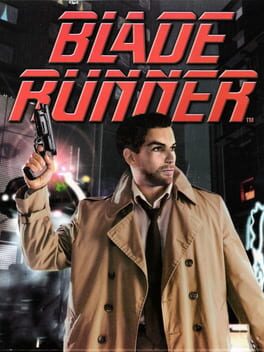
Blade Runner
Variance · Systems & Chaos
Detective work against randomised suspect identities that reshuffle every playthrough.

Spirit Hunter: NG
Variance · Systems & Chaos
A horror adventure sequel where a delinquent investigates urban-legend spirits to save his kidnapped sister.
Blade Runner leans Variance (Systems & Chaos); Spirit Hunter: NG leans Variance (Systems & Chaos).
Blade RunnerSpirit Hunter: NG
Axis by axis
Execution1 vs 0
Blade Runner leans a little harder on execution, though the gap is small.
Blade Runner
Point-and-click investigation, no dexterity required
Spirit Hunter: NG
Menu-driven investigation; no physical skill ceiling.
Reads0 vs 0
Same score on reads - which means the number cannot separate them. The difference is in what each one asks of you.
Blade Runner
Suspects follow branching scripts, not adaptive minds
Spirit Hunter: NG
Spirit behaviour is scripted, never modelling the player.
Variance6 vs 5
Blade Runner leans a little harder on variance, though the gap is small.
Blade Runner
Replicant identities are randomised each playthrough
Spirit Hunter: NG
Hidden death triggers and unknown spirit lore dominate first runs.
Optimization5 vs 5
Same score on optimization - which means the number cannot separate them. The difference is in what each one asks of you.
Blade Runner
Evidence chains and questioning routes reward systematic detective work
Spirit Hunter: NG
Correct evidence and choices are fixed and fully learnable.
A matching score does not mean a matching test. Two games can both sit at 10 on execution and demand completely different things of you - which is why the reasoning above matters more than the number beside it.