Building comparison
head to head
Castle WolfensteinvsS.T.A.L.K.E.R.: Shadow of Chernobyl
Neither is meaningfully harder - they pose close to the same test. The widest gap is execution, and it is a single point.
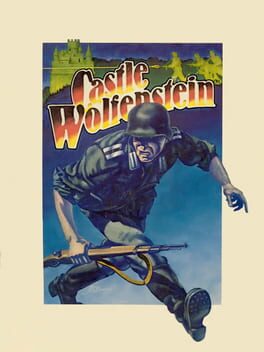
Castle Wolfenstein
Optimization · Systems & Chaos
Planning stealthy escapes through randomised castle layouts with primitive controls.
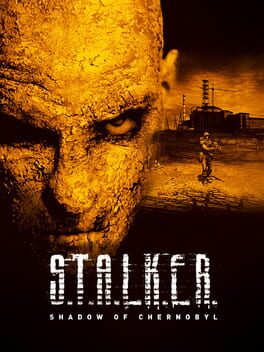
S.T.A.L.K.E.R.: Shadow of Chernobyl
Optimization · Practiced Mastery
An atmospheric open-zone survival shooter set in the Chernobyl exclusion zone.
Castle Wolfenstein leans Optimization (Systems & Chaos); S.T.A.L.K.E.R.: Shadow of Chernobyl leans Optimization (Practiced Mastery).
Castle WolfensteinS.T.A.L.K.E.R.: Shadow of Chernobyl
Axis by axis
Execution4 vs 5
S.T.A.L.K.E.R.: Shadow of Chernobyl leans a little harder on execution, though the gap is small.
Castle Wolfenstein
Clunky aiming and movement demand care, not twitch
S.T.A.L.K.E.R.: Shadow of Chernobyl
Ballistic gunplay punishes sloppy aim
Reads0 vs 1
S.T.A.L.K.E.R.: Shadow of Chernobyl leans a little harder on reads, though the gap is small.
Castle Wolfenstein
Guards react by simple rules, never modelling you
S.T.A.L.K.E.R.: Shadow of Chernobyl
A-Life feels alive but doesn't model you
Variance5 vs 5
Same score on variance - which means the number cannot separate them. The difference is in what each one asks of you.
Castle Wolfenstein
Randomised castle layouts and chest contents reshape each escape
S.T.A.L.K.E.R.: Shadow of Chernobyl
Anomalies, mutant spawns, and artifact RNG hide information
Optimization6 vs 6
Same score on optimization - which means the number cannot separate them. The difference is in what each one asks of you.
Castle Wolfenstein
Stealth routes, uniforms and ammo economy are plannable
S.T.A.L.K.E.R.: Shadow of Chernobyl
Artifact economy, routes, and stash knowledge converge
A matching score does not mean a matching test. Two games can both sit at 10 on execution and demand completely different things of you - which is why the reasoning above matters more than the number beside it.