Building comparison
head to head
Centurion: Defender of RomevsPlanescape: Torment
Neither is meaningfully harder - they pose close to the same test. The widest gap is optimization, and it is a single point.
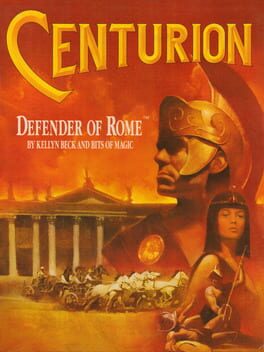
Centurion: Defender of Rome
Optimization · Pure Optimization
Managing provinces, taxes and legions as a solvable empire-building system.

Planescape: Torment
Optimization · Pure Optimization
A narrative RPG that tests knowledge of its philosophical systems and dialogue trees more than any combat skill.
Centurion: Defender of Rome leans Optimization (Pure Optimization); Planescape: Torment leans Optimization (Pure Optimization).
Centurion: Defender of RomePlanescape: Torment
Axis by axis
Execution1 vs 1
Same score on execution - which means the number cannot separate them. The difference is in what each one asks of you.
Centurion: Defender of Rome
Issuing orders and chariot minigames need little dexterity
Planescape: Torment
Combat is deemphasised; the game is built to be avoided or trivial
Reads1 vs 1
Same score on reads - which means the number cannot separate them. The difference is in what each one asks of you.
Centurion: Defender of Rome
AI rivals follow fixed diplomatic and military logic
Planescape: Torment
NPCs are scripted personalities; no adaptive opponent exists
Variance3 vs 3
Same score on variance - which means the number cannot separate them. The difference is in what each one asks of you.
Centurion: Defender of Rome
Battle outcomes and rival behaviour carry some hidden randomness
Planescape: Torment
Some dialogue outcomes and item discoveries are hidden until explored
Optimization8 vs 7
Centurion: Defender of Rome leans a little harder on optimization, though the gap is small.
Centurion: Defender of Rome
Provincial economy, taxation and legion deployment are solvable systems
Planescape: Torment
Stat allocation, dialogue routing and companion management reward system mastery
A matching score does not mean a matching test. Two games can both sit at 10 on execution and demand completely different things of you - which is why the reasoning above matters more than the number beside it.