Building comparison
head to head
Cry of FearvsNeed for Speed: Payback
Neither is harder. They score identically on all four axes, so the difference between them is in kind, not degree.

Cry of Fear
Execution · Practiced Mastery
A claustrophobic first-person shooter horror game testing precise aim and stamina management under scarce resources.
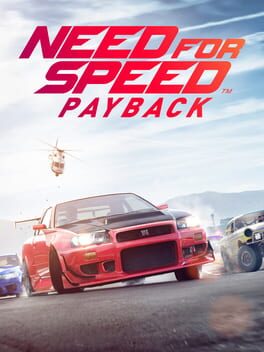
Need for Speed: Payback
Execution · Practiced Mastery
Arcade driving gated by a randomised upgrade-card progression economy.
Cry of Fear leans Execution (Practiced Mastery); Need for Speed: Payback leans Execution (Practiced Mastery).
Cry of FearNeed for Speed: Payback
Axis by axis
Execution6 vs 6
Same score on execution - which means the number cannot separate them. The difference is in what each one asks of you.
Cry of Fear
Fast-paced shooting with limited stamina and scarce ammo demands precision
Need for Speed: Payback
Arcade handling and chase setpieces need decent hands
Reads1 vs 1
Same score on reads - which means the number cannot separate them. The difference is in what each one asks of you.
Cry of Fear
Enemies follow scripted assault patterns
Need for Speed: Payback
Cops and rivals run scripted pursuit logic
Variance3 vs 3
Same score on variance - which means the number cannot separate them. The difference is in what each one asks of you.
Cry of Fear
Some item locations are unknown on first run
Need for Speed: Payback
Speed-card upgrade rolls gate progression randomly
Optimization5 vs 5
Same score on optimization - which means the number cannot separate them. The difference is in what each one asks of you.
Cry of Fear
Weapon selection, safe routing and stamina discipline are optimisable
Need for Speed: Payback
Grinding efficient builds and routes is the systems layer
A matching score does not mean a matching test. Two games can both sit at 10 on execution and demand completely different things of you - which is why the reasoning above matters more than the number beside it.