Building comparison
head to head
Day of the TentaclevsThe Room Two
Neither is meaningfully harder - they pose close to the same test. The widest gap is variance, and it is a single point.
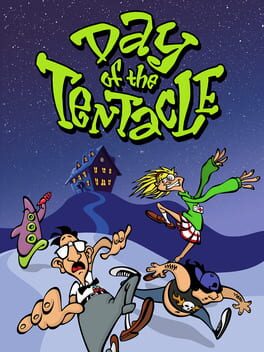
Day of the Tentacle
Optimization · Pure Optimization
A time-travel puzzle game built entirely on deducing cross-era item interactions with no randomness.
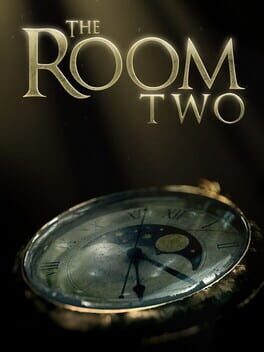
The Room Two
Optimization · Pure Optimization
The sequel expands the mechanical puzzle boxes into full eerie rooms spanning crypts, ships, and seances.
Day of the Tentacle leans Optimization (Pure Optimization); The Room Two leans Optimization (Pure Optimization).
Day of the TentacleThe Room Two
Axis by axis
Execution1 vs 1
Same score on execution - which means the number cannot separate them. The difference is in what each one asks of you.
Day of the Tentacle
SCUMM interface eliminates any timing or motor demand
The Room Two
Slow tactile fiddling, zero dexterity bar
Reads0 vs 0
Same score on reads - which means the number cannot separate them. The difference is in what each one asks of you.
Day of the Tentacle
No opponent; multi-era puzzles are fully scripted
The Room Two
No opponent exists
Variance1 vs 2
The Room Two leans a little harder on variance, though the gap is small.
Day of the Tentacle
Deterministic world state across three time periods
The Room Two
Unknown contraptions until explored, then fixed
Optimization9 vs 8
Day of the Tentacle leans a little harder on optimization, though the gap is small.
Day of the Tentacle
Cross-era cause-and-effect chains form a tightly solvable logic puzzle
The Room Two
Fixed mechanical puzzles with single deducible solutions
A matching score does not mean a matching test. Two games can both sit at 10 on execution and demand completely different things of you - which is why the reasoning above matters more than the number beside it.