Building comparison
head to head
Divinity: Original Sin 2vsPillars of Eternity II: Deadfire
Neither is meaningfully harder - they pose close to the same test. The widest gap is reads, and it is a single point.
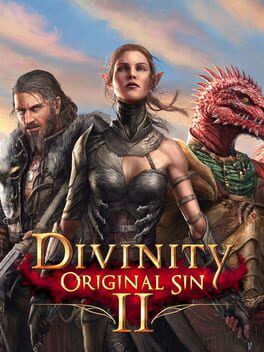
Divinity: Original Sin 2
Optimization · Pure Optimization
A deeply optimizable tactical RPG where armor stripping and initiative manipulation produce near-deterministic victories.
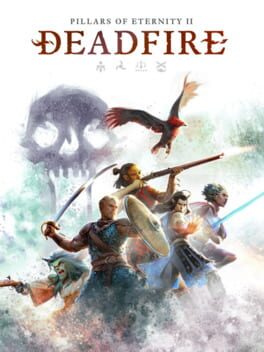
Pillars of Eternity II: Deadfire
Optimization · Pure Optimization
A multiclass optimization sandbox where subclass combinations produce exotic damage ceilings for theory-crafters.
Divinity: Original Sin 2 leans Optimization (Pure Optimization); Pillars of Eternity II: Deadfire leans Optimization (Pure Optimization).
Divinity: Original Sin 2Pillars of Eternity II: Deadfire
Axis by axis
Execution2 vs 2
Same score on execution - which means the number cannot separate them. The difference is in what each one asks of you.
Divinity: Original Sin 2
Turn-based system demands zero reaction speed or motor precision
Pillars of Eternity II: Deadfire
Pause-heavy combat requires deliberate decision-making, not reaction speed
Reads2 vs 1
Divinity: Original Sin 2 leans a little harder on reads, though the gap is small.
Divinity: Original Sin 2
Multiplayer PvP arena adds light opponent-reading; solo is scripted
Pillars of Eternity II: Deadfire
Enemy AI is scripted; ship combat follows fixed rulesets
Variance5 vs 4
Divinity: Original Sin 2 leans a little harder on variance, though the gap is small.
Divinity: Original Sin 2
Source point limits and hidden enemy armor values create unknowns
Pillars of Eternity II: Deadfire
Ship encounter positioning and hidden item stats add unknowns
Optimization10 vs 10
Same score on optimization - which means the number cannot separate them. The difference is in what each one asks of you.
Divinity: Original Sin 2
Lone Wolf builds and damage-type stacking define solved optimal strategies
Pillars of Eternity II: Deadfire
Multiclass subclass stacking produces near-broken optimization ceilings
A matching score does not mean a matching test. Two games can both sit at 10 on execution and demand completely different things of you - which is why the reasoning above matters more than the number beside it.