Building comparison
head to head
Divinity: Original SinvsGloomhaven
Neither is meaningfully harder - they pose close to the same test. The widest gap is execution, and it is a single point.
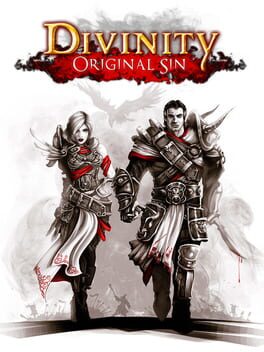
Divinity: Original Sin
Optimization · Pure Optimization
A turn-based RPG where elemental surface interactions reward complete knowledge of combinatorial systems.
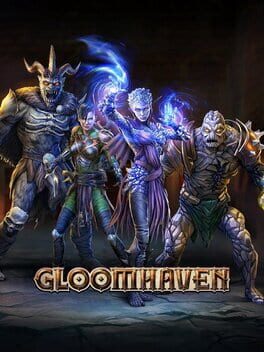
Gloomhaven
Optimization · Pure Optimization
Sprawling tactical dungeon crawler where managing a dwindling hand of cards decides everything.
Divinity: Original Sin leans Optimization (Pure Optimization); Gloomhaven leans Optimization (Pure Optimization).
Divinity: Original SinGloomhaven
Axis by axis
Execution2 vs 1
Divinity: Original Sin leans a little harder on execution, though the gap is small.
Divinity: Original Sin
Turn-based combat requires zero twitch; positioning is deliberate
Gloomhaven
Turn-based; zero dexterity demand
Reads1 vs 1
Same score on reads - which means the number cannot separate them. The difference is in what each one asks of you.
Divinity: Original Sin
AI opponents use scripted priorities with no player modelling
Gloomhaven
Monster AI follows printed, mappable rules
Variance5 vs 5
Same score on variance - which means the number cannot separate them. The difference is in what each one asks of you.
Divinity: Original Sin
Elemental surface interactions contain hidden combinatorial space to discover
Gloomhaven
Modifier deck and monster ability draws
Optimization10 vs 9
Divinity: Original Sin leans a little harder on optimization, though the gap is small.
Divinity: Original Sin
Elemental chain combos and initiative manipulation are systemically solvable
Gloomhaven
Card economy and scenario routing are the game
A matching score does not mean a matching test. Two games can both sit at 10 on execution and demand completely different things of you - which is why the reasoning above matters more than the number beside it.