Building comparison
head to head
Dragon Quest XI S: Echoes of an Elusive AgevsKing's Bounty II
Neither is meaningfully harder - they pose close to the same test. The widest gap is variance, and it is a single point.
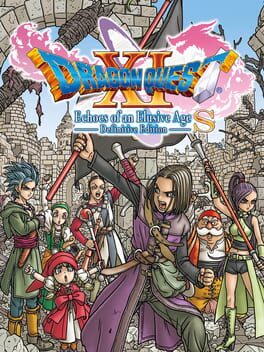
Dragon Quest XI S: Echoes of an Elusive Age
Optimization · Pure Optimization
A traditional turn-based JRPG where optimising skill trees and Pep power timing defines progression through scripted monster encounters.

King's Bounty II
Optimization · Systems & Chaos
Composing morale-aware armies and spell loadouts to solve scripted hex-grid encounters.
Dragon Quest XI S: Echoes of an Elusive Age leans Optimization (Pure Optimization); King's Bounty II leans Optimization (Systems & Chaos).
Dragon Quest XI S: Echoes of an Elusive AgeKing's Bounty II
Axis by axis
Execution2 vs 2
Same score on execution - which means the number cannot separate them. The difference is in what each one asks of you.
Dragon Quest XI S: Echoes of an Elusive Age
Classic turn-based; no twitch input at any point
King's Bounty II
Turn-based hex grid; no timing inputs
Reads1 vs 1
Same score on reads - which means the number cannot separate them. The difference is in what each one asks of you.
Dragon Quest XI S: Echoes of an Elusive Age
All monsters follow fully scripted AI routines
King's Bounty II
Enemy AI is scripted; unit targeting is fixed-priority
Variance4 vs 5
King's Bounty II leans a little harder on variance, though the gap is small.
Dragon Quest XI S: Echoes of an Elusive Age
Metal Slime encounter rates and rare drops carry meaningful RNG
King's Bounty II
Spell proc rates and random loot create variance across encounters
Optimization8 vs 7
Dragon Quest XI S: Echoes of an Elusive Age leans a little harder on optimization, though the gap is small.
Dragon Quest XI S: Echoes of an Elusive Age
Skill tree routing, Pep power sequencing, and party healing economy reward planning
King's Bounty II
Army composition, leadership allocation, and morale management are planned
A matching score does not mean a matching test. Two games can both sit at 10 on execution and demand completely different things of you - which is why the reasoning above matters more than the number beside it.