Building comparison
head to head
King's Bounty IIvsLife is Strange
King's Bounty II asks more than Life is Strange, and the gap is variance.
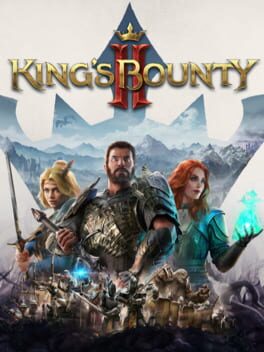
King's Bounty II
Optimization · Systems & Chaos
Composing morale-aware armies and spell loadouts to solve scripted hex-grid encounters.

Life is Strange
Optimization · Systems & Chaos
A teenage drama built around rewinding decisions to map which choices actually alter the scripted outcome.
King's Bounty II leans Optimization (Systems & Chaos); Life is Strange leans Optimization (Systems & Chaos).
King's Bounty IILife is Strange
Axis by axis
Execution2 vs 1
King's Bounty II leans a little harder on execution, though the gap is small.
King's Bounty II
Turn-based hex grid; no timing inputs
Life is Strange
Rewind mechanic removes virtually any failure state
Reads1 vs 0
King's Bounty II leans a little harder on reads, though the gap is small.
King's Bounty II
Enemy AI is scripted; unit targeting is fixed-priority
Life is Strange
Scripted teen drama; no opponent models the player
Variance5 vs 3
King's Bounty II leans clearly harder on variance.
King's Bounty II
Spell proc rates and random loot create variance across encounters
Life is Strange
Rewind obscures which choices are truly consequential
Optimization7 vs 5
King's Bounty II leans clearly harder on optimization.
King's Bounty II
Army composition, leadership allocation, and morale management are planned
Life is Strange
Understanding consequence chains enables deliberate dialogue path planning
A matching score does not mean a matching test. Two games can both sit at 10 on execution and demand completely different things of you - which is why the reasoning above matters more than the number beside it.