Building comparison
head to head
EarthBoundvsWizardry: Tale of the Forsaken Land
Neither is meaningfully harder - they pose close to the same test. The widest gap is optimization, and it is a single point.

EarthBound
Optimization · Pure Optimization
A subversive JRPG where understanding rolling HP mechanics and PSI optimization defeats its quirky scripted encounters.
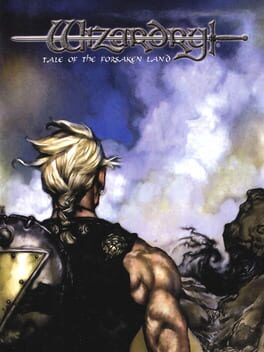
Wizardry: Tale of the Forsaken Land
Optimization · Pure Optimization
A classic dungeon-crawling RPG demanding careful party and resource management.
EarthBound leans Optimization (Pure Optimization); Wizardry: Tale of the Forsaken Land leans Optimization (Pure Optimization).
EarthBoundWizardry: Tale of the Forsaken Land
Axis by axis
Execution2 vs 2
Same score on execution - which means the number cannot separate them. The difference is in what each one asks of you.
EarthBound
Rolling HP meter has very mild timing implication
Wizardry: Tale of the Forsaken Land
turn-based menu combat, no physical skill
Reads0 vs 0
Same score on reads - which means the number cannot separate them. The difference is in what each one asks of you.
EarthBound
All enemies scripted with fixed attack patterns
Wizardry: Tale of the Forsaken Land
fixed dungeon monsters, no adaptive opponent
Variance4 vs 4
Same score on variance - which means the number cannot separate them. The difference is in what each one asks of you.
EarthBound
PSI randomness, enemy attack variety, and encounter triggers add unpredictability
Wizardry: Tale of the Forsaken Land
random encounters, loot and hit-chance rolls
Optimization7 vs 8
Wizardry: Tale of the Forsaken Land leans a little harder on optimization, though the gap is small.
EarthBound
Status effects, rolling HP strategy, and Franklin Badge usage are solvable
Wizardry: Tale of the Forsaken Land
party building, dungeon mapping, stat optimization
A matching score does not mean a matching test. Two games can both sit at 10 on execution and demand completely different things of you - which is why the reasoning above matters more than the number beside it.