Building comparison
head to head
F.E.A.R. 2: Project OriginvsTricky Towers
Neither is meaningfully harder - they pose close to the same test. The widest gap is reads, and it is a single point.
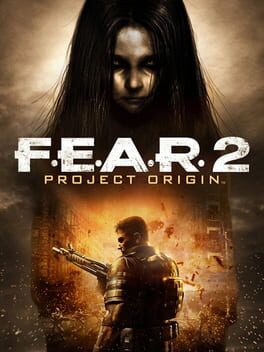
F.E.A.R. 2: Project Origin
Execution · Pure Mechanics
Sequel continuing the Alma horror story with mech sequences and slow-motion combat.
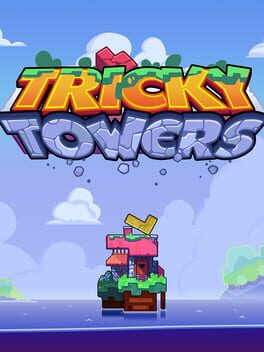
Tricky Towers
Execution · Pure Mechanics
Stacking wobbly bricks quickly while sabotage spells fly between players.
F.E.A.R. 2: Project Origin leans Execution (Pure Mechanics); Tricky Towers leans Execution (Pure Mechanics).
F.E.A.R. 2: Project OriginTricky Towers
Axis by axis
Execution7 vs 7
Same score on execution - which means the number cannot separate them. The difference is in what each one asks of you.
F.E.A.R. 2: Project Origin
Aim and slow-mo trigger discipline
Tricky Towers
Placing physics bricks fast under pressure is the core test
Reads1 vs 2
Tricky Towers leans a little harder on reads, though the gap is small.
F.E.A.R. 2: Project Origin
Enemy squads are clever but scripted
Tricky Towers
Timing spells against specific human rivals adds light prediction
Variance2 vs 3
Tricky Towers leans a little harder on variance, though the gap is small.
F.E.A.R. 2: Project Origin
Minor spawn and cover variation
Tricky Towers
Brick sequence and wobble physics inject chaos
Optimization4 vs 4
Same score on optimization - which means the number cannot separate them. The difference is in what each one asks of you.
F.E.A.R. 2: Project Origin
Learning arenas and ability usage
Tricky Towers
Stable stacking shapes are learnable patterns
A matching score does not mean a matching test. Two games can both sit at 10 on execution and demand completely different things of you - which is why the reasoning above matters more than the number beside it.