Building comparison
head to head
Final Fantasy Tactics AdvancevsMight and Magic VII: For Blood and Honor
Neither is harder. They score identically on all four axes, so the difference between them is in kind, not degree.
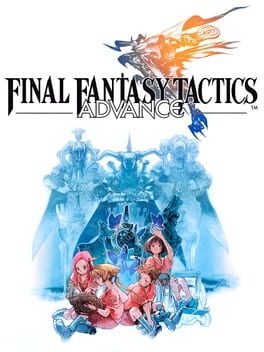
Final Fantasy Tactics Advance
Optimization · Pure Optimization
Handheld tactics RPG adding a shifting law system to grid battles.
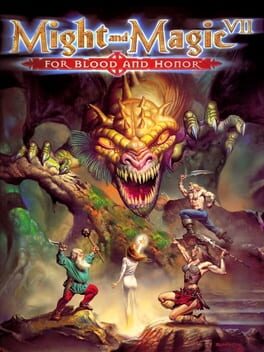
Might and Magic VII: For Blood and Honor
Optimization · Pure Optimization
An open-world party blobber where promotion paths and skill routing matter far more than aim.
Final Fantasy Tactics Advance leans Optimization (Pure Optimization); Might and Magic VII: For Blood and Honor leans Optimization (Pure Optimization).
Final Fantasy Tactics AdvanceMight and Magic VII: For Blood and Honor
Axis by axis
Execution1 vs 1
Same score on execution - which means the number cannot separate them. The difference is in what each one asks of you.
Final Fantasy Tactics Advance
Turn-based grid commands only
Might and Magic VII: For Blood and Honor
Pausable party combat; minimal dexterity.
Reads0 vs 0
Same score on reads - which means the number cannot separate them. The difference is in what each one asks of you.
Final Fantasy Tactics Advance
Scripted opponents, judge rules are fixed
Might and Magic VII: For Blood and Honor
Enemies charge on fixed logic.
Variance3 vs 3
Same score on variance - which means the number cannot separate them. The difference is in what each one asks of you.
Final Fantasy Tactics Advance
Random laws and hit rolls
Might and Magic VII: For Blood and Honor
Loot rolls and unknown dungeon contents first time.
Optimization8 vs 8
Same score on optimization - which means the number cannot separate them. The difference is in what each one asks of you.
Final Fantasy Tactics Advance
Race-job ability combos reward deep planning
Might and Magic VII: For Blood and Honor
Class promotions, skill points, and routing are fully solvable.
A matching score does not mean a matching test. Two games can both sit at 10 on execution and demand completely different things of you - which is why the reasoning above matters more than the number beside it.
full breakdown
Final Fantasy Tactics Advance →
full breakdown
Might and Magic VII: For Blood and Honor →
Related comparisons
Final Fantasy Tactics Advance vs Portal 2Might and Magic VII: For Blood and Honor vs Portal 2Final Fantasy Tactics Advance vs The Elder Scrolls V: SkyrimMight and Magic VII: For Blood and Honor vs The Elder Scrolls V: SkyrimFinal Fantasy Tactics Advance vs PortalMight and Magic VII: For Blood and Honor vs Portal