Building comparison
head to head
Final Fantasy TacticsvsPillars of Eternity II: Deadfire
Neither is harder. They score identically on all four axes, so the difference between them is in kind, not degree.
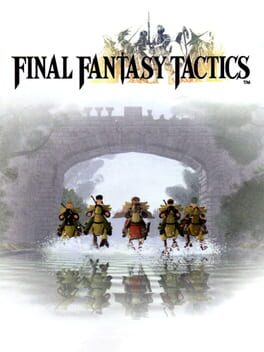
Final Fantasy Tactics
Optimization · Pure Optimization
A deep optimization puzzle solved through job combinations and CT-manipulation on fixed maps.

Pillars of Eternity II: Deadfire
Optimization · Pure Optimization
A multiclass optimization sandbox where subclass combinations produce exotic damage ceilings for theory-crafters.
Final Fantasy Tactics leans Optimization (Pure Optimization); Pillars of Eternity II: Deadfire leans Optimization (Pure Optimization).
Final Fantasy TacticsPillars of Eternity II: Deadfire
Axis by axis
Execution2 vs 2
Same score on execution - which means the number cannot separate them. The difference is in what each one asks of you.
Final Fantasy Tactics
No twitch; CT-tick positioning demands spatial planning only
Pillars of Eternity II: Deadfire
Pause-heavy combat requires deliberate decision-making, not reaction speed
Reads1 vs 1
Same score on reads - which means the number cannot separate them. The difference is in what each one asks of you.
Final Fantasy Tactics
CPU job/action selection is fixed and fully predictable
Pillars of Eternity II: Deadfire
Enemy AI is scripted; ship combat follows fixed rulesets
Variance4 vs 4
Same score on variance - which means the number cannot separate them. The difference is in what each one asks of you.
Final Fantasy Tactics
Random drops and some proc rates exist but rarely swing outcomes
Pillars of Eternity II: Deadfire
Ship encounter positioning and hidden item stats add unknowns
Optimization10 vs 10
Same score on optimization - which means the number cannot separate them. The difference is in what each one asks of you.
Final Fantasy Tactics
Job mastery, ability stacking, and CT manipulation are near-perfectly solvable
Pillars of Eternity II: Deadfire
Multiclass subclass stacking produces near-broken optimization ceilings
A matching score does not mean a matching test. Two games can both sit at 10 on execution and demand completely different things of you - which is why the reasoning above matters more than the number beside it.