Building comparison
head to head
Fire Emblem HeroesvsRebuild 3: Gangs of Deadsville
Neither is meaningfully harder - they pose close to the same test. The widest gap is variance, and it is a single point.

Fire Emblem Heroes
Optimization · Systems & Chaos
Solvable micro-tactics puzzles gated by gacha luck over unit ownership.
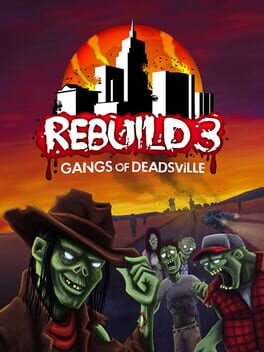
Rebuild 3: Gangs of Deadsville
Optimization · Systems & Chaos
A turn-based survival strategy about rebuilding a city amid zombies.
Fire Emblem Heroes leans Optimization (Systems & Chaos); Rebuild 3: Gangs of Deadsville leans Optimization (Systems & Chaos).
Fire Emblem HeroesRebuild 3: Gangs of Deadsville
Axis by axis
Execution1 vs 1
Same score on execution - which means the number cannot separate them. The difference is in what each one asks of you.
Fire Emblem Heroes
Drag-and-drop tactics need no dexterity
Rebuild 3: Gangs of Deadsville
Turn-based menus, no manual dexterity
Reads2 vs 2
Same score on reads - which means the number cannot separate them. The difference is in what each one asks of you.
Fire Emblem Heroes
Arena defense teams are AI-run, so prediction is shallow
Rebuild 3: Gangs of Deadsville
Rival gangs are scripted AI, not adapting
Variance5 vs 6
Rebuild 3: Gangs of Deadsville leans a little harder on variance, though the gap is small.
Fire Emblem Heroes
Gacha summoning rolls gate which units you even own
Rebuild 3: Gangs of Deadsville
Mission outcomes and events are randomized
Optimization7 vs 8
Rebuild 3: Gangs of Deadsville leans a little harder on optimization, though the gap is small.
Fire Emblem Heroes
Skill inheritance, team building and tile math are deeply solvable
Rebuild 3: Gangs of Deadsville
Allocating survivors and expanding the fort is the strategy
A matching score does not mean a matching test. Two games can both sit at 10 on execution and demand completely different things of you - which is why the reasoning above matters more than the number beside it.