Building comparison
head to head
Fire Emblem HeroesvsTorment: Tides of Numenera
Neither is meaningfully harder - they pose close to the same test. The widest gap is reads, and it is a single point.
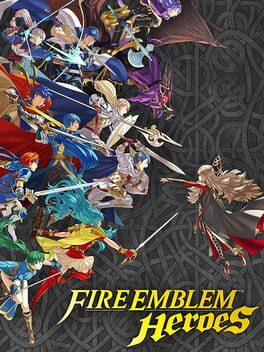
Fire Emblem Heroes
Optimization · Systems & Chaos
Solvable micro-tactics puzzles gated by gacha luck over unit ownership.
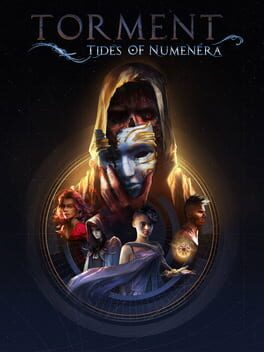
Torment: Tides of Numenera
Optimization · Pure Optimization
A choice-driven RPG where allocating stats toward Tide alignment and crisis routing determines narrative outcomes.
Fire Emblem Heroes leans Optimization (Systems & Chaos); Torment: Tides of Numenera leans Optimization (Pure Optimization).
Fire Emblem HeroesTorment: Tides of Numenera
Axis by axis
Execution1 vs 1
Same score on execution - which means the number cannot separate them. The difference is in what each one asks of you.
Fire Emblem Heroes
Drag-and-drop tactics need no dexterity
Torment: Tides of Numenera
Combat is explicitly optional; minimal motor demand throughout
Reads2 vs 1
Fire Emblem Heroes leans a little harder on reads, though the gap is small.
Fire Emblem Heroes
Arena defense teams are AI-run, so prediction is shallow
Torment: Tides of Numenera
Crisis encounters use scripted AI patterns, no adaptive opponents
Variance5 vs 4
Fire Emblem Heroes leans a little harder on variance, though the gap is small.
Fire Emblem Heroes
Gacha summoning rolls gate which units you even own
Torment: Tides of Numenera
Hidden Tide value thresholds and item interactions create unknown-information branches
Optimization7 vs 7
Same score on optimization - which means the number cannot separate them. The difference is in what each one asks of you.
Fire Emblem Heroes
Skill inheritance, team building and tile math are deeply solvable
Torment: Tides of Numenera
Stat allocation, Tide routing and artefact loadout reward system knowledge
A matching score does not mean a matching test. Two games can both sit at 10 on execution and demand completely different things of you - which is why the reasoning above matters more than the number beside it.