Building comparison
head to head
Five Nights at Freddy's 4vsParty Hard
Neither is meaningfully harder - they pose close to the same test. The widest gap is execution, and it is a single point.
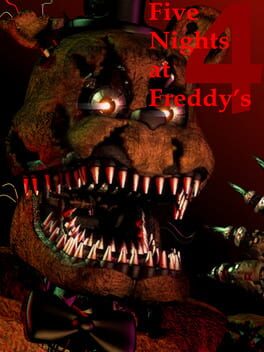
Five Nights at Freddy's 4
Variance · Systems & Chaos
Listening for randomised audio cues and executing a defensive checking routine.

Party Hard
Optimization · Systems & Chaos
Isolating targets amid randomised crowds using traps and patience.
Five Nights at Freddy's 4 leans Variance (Systems & Chaos); Party Hard leans Optimization (Systems & Chaos).
Five Nights at Freddy's 4Party Hard
Axis by axis
Execution4 vs 3
Five Nights at Freddy's 4 leans a little harder on execution, though the gap is small.
Five Nights at Freddy's 4
Reacting to breath audio cues within tight windows matters
Party Hard
Walking and stabbing need timing but little dexterity
Reads0 vs 0
Same score on reads - which means the number cannot separate them. The difference is in what each one asks of you.
Five Nights at Freddy's 4
Animatronic movement is RNG, not an adapting mind
Party Hard
Partygoers wander on RNG, not adaptive minds
Variance6 vs 5
Five Nights at Freddy's 4 leans a little harder on variance, though the gap is small.
Five Nights at Freddy's 4
Random animatronic positions stay hidden behind audio cues
Party Hard
Random traps, events and witness behaviour vary each level
Optimization6 vs 6
Same score on optimization - which means the number cannot separate them. The difference is in what each one asks of you.
Five Nights at Freddy's 4
Door-checking routines become a learnable optimal loop
Party Hard
Trap usage and isolation tactics converge to known strategies
A matching score does not mean a matching test. Two games can both sit at 10 on execution and demand completely different things of you - which is why the reasoning above matters more than the number beside it.