Building comparison
head to head
FlatOut: Ultimate CarnagevsNeed for Speed: Rivals
Neither is harder. They score identically on all four axes, so the difference between them is in kind, not degree.
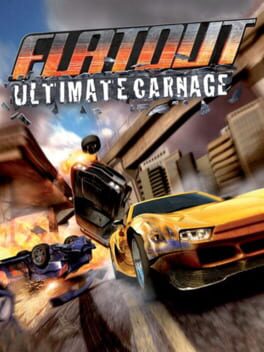
FlatOut: Ultimate Carnage
Execution · Pure Mechanics
Keeping speed through destruction-racing chaos that punishes clean-lap plans.

Need for Speed: Rivals
Execution · Pure Mechanics
Open-world racer where banking risky speedpoints against human cops drives the tension.
FlatOut: Ultimate Carnage leans Execution (Pure Mechanics); Need for Speed: Rivals leans Execution (Pure Mechanics).
FlatOut: Ultimate CarnageNeed for Speed: Rivals
Axis by axis
Execution7 vs 7
Same score on execution - which means the number cannot separate them. The difference is in what each one asks of you.
FlatOut: Ultimate Carnage
Holding racing lines through wrecks and ragdoll chaos tests hands
Need for Speed: Rivals
Open-road control with pursuit tech timing
Reads2 vs 2
Same score on reads - which means the number cannot separate them. The difference is in what each one asks of you.
FlatOut: Ultimate Carnage
Rival drivers ram predictably, light multiplayer jockeying
Need for Speed: Rivals
AllDrive mixes human cops and racers in
Variance3 vs 3
Same score on variance - which means the number cannot separate them. The difference is in what each one asks of you.
FlatOut: Ultimate Carnage
Debris and pileups scramble any planned lap
Need for Speed: Rivals
Dynamic open-world encounters and weather
Optimization4 vs 4
Same score on optimization - which means the number cannot separate them. The difference is in what each one asks of you.
FlatOut: Ultimate Carnage
Car upgrades and track shortcuts are mappable
Need for Speed: Rivals
Risk-versus-bank speedpoint economy
A matching score does not mean a matching test. Two games can both sit at 10 on execution and demand completely different things of you - which is why the reasoning above matters more than the number beside it.