Building comparison
head to head
God of War (2005)vsMetroid: Samus Returns
Neither is harder. They score identically on all four axes, so the difference between them is in kind, not degree.
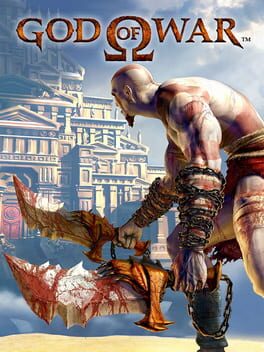
God of War (2005)
Execution · Practiced Mastery
Brutal Greek-myth spectacle brawler where Kratos chains blades through gods and QTE set pieces.
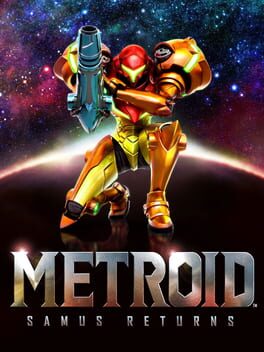
Metroid: Samus Returns
Execution · Practiced Mastery
The 3DS remake of Metroid II built around a precisely timed melee counter.
God of War (2005) leans Execution (Practiced Mastery); Metroid: Samus Returns leans Execution (Practiced Mastery).
God of War (2005)Metroid: Samus Returns
Axis by axis
Execution6 vs 6
Same score on execution - which means the number cannot separate them. The difference is in what each one asks of you.
God of War (2005)
Blade combos, parries, and QTEs reward clean inputs
Metroid: Samus Returns
Melee-counter timing defines nearly every fight.
Reads0 vs 0
Same score on reads - which means the number cannot separate them. The difference is in what each one asks of you.
God of War (2005)
Mythic bosses run scripted phases
Metroid: Samus Returns
Counters punish scripted lunges, not adaptation.
Variance1 vs 1
Same score on variance - which means the number cannot separate them. The difference is in what each one asks of you.
God of War (2005)
Authored set pieces; nothing meaningful is hidden
Metroid: Samus Returns
Fixed map and encounters.
Optimization6 vs 6
Same score on optimization - which means the number cannot separate them. The difference is in what each one asks of you.
God of War (2005)
Orb economy, magic priorities, and boss patterns are solvable
Metroid: Samus Returns
Aeion management and ability routing matter.
A matching score does not mean a matching test. Two games can both sit at 10 on execution and demand completely different things of you - which is why the reasoning above matters more than the number beside it.