Building comparison
head to head
It Takes TwovsOnrush
Neither is meaningfully harder - they pose close to the same test. The widest gap is reads, and it is a single point.
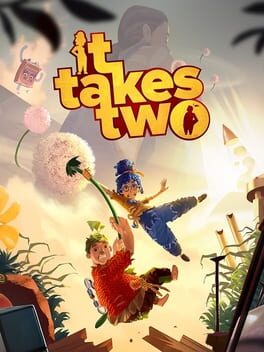
It Takes Two
Execution · Practiced Mastery
A co-op puzzle-platformer that tests physical coordination and communication across a wide variety of co-designed mechanics.
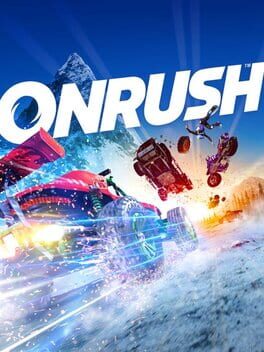
Onrush
Execution · Practiced Mastery
A team arcade racer with no finish line, scoring takedowns and objectives in a rolling stampede.
It Takes Two leans Execution (Practiced Mastery); Onrush leans Execution (Practiced Mastery).
It Takes TwoOnrush
Axis by axis
Execution6 vs 6
Same score on execution - which means the number cannot separate them. The difference is in what each one asks of you.
It Takes Two
Co-op platforming demands tight timing, coordination, and spatial precision
Onrush
Boost management and aerial takedowns need car control
Reads2 vs 3
Onrush leans a little harder on reads, though the gap is small.
It Takes Two
Human partner requires some coordination reads but not competitive prediction
Onrush
Team-based human opponents in stampede modes
Variance2 vs 3
Onrush leans a little harder on variance, though the gap is small.
It Takes Two
Puzzle solutions are fixed; little hidden randomness
Onrush
Chaotic pack collisions and fodder spawns
Optimization5 vs 5
Same score on optimization - which means the number cannot separate them. The difference is in what each one asks of you.
It Takes Two
Each chapter has an optimal movement approach once mechanics are learned
Onrush
Class roles and rush timing are learnable
A matching score does not mean a matching test. Two games can both sit at 10 on execution and demand completely different things of you - which is why the reasoning above matters more than the number beside it.