Building comparison
head to head
Killer Is DeadvsTeenage Mutant Ninja Turtles III: The Manhattan Project
Neither is meaningfully harder - they pose close to the same test. The widest gap is execution, and it is a single point.

Killer Is Dead
Execution · Practiced Mastery
A stylish Suda51 action game following an executioner with a cybernetic arm.
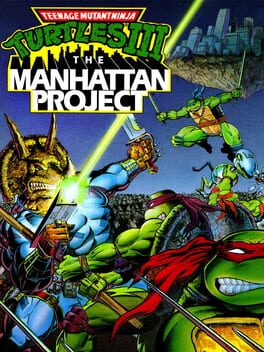
Teenage Mutant Ninja Turtles III: The Manhattan Project
Execution · Pure Mechanics
A classic beat-em-up demanding execution against scripted enemy waves.
Killer Is Dead leans Execution (Practiced Mastery); Teenage Mutant Ninja Turtles III: The Manhattan Project leans Execution (Pure Mechanics).
Killer Is DeadTeenage Mutant Ninja Turtles III: The Manhattan Project
Axis by axis
Execution6 vs 7
Teenage Mutant Ninja Turtles III: The Manhattan Project leans a little harder on execution, though the gap is small.
Killer Is Dead
Dodge-burst timing drives stylish swordplay
Teenage Mutant Ninja Turtles III: The Manhattan Project
beat-em-up timing and enemy juggling
Reads0 vs 0
Same score on reads - which means the number cannot separate them. The difference is in what each one asks of you.
Killer Is Dead
Enemies and bosses are scripted
Teenage Mutant Ninja Turtles III: The Manhattan Project
enemies run simple fixed scripts
Variance1 vs 1
Same score on variance - which means the number cannot separate them. The difference is in what each one asks of you.
Killer Is Dead
Encounters are fixed
Teenage Mutant Ninja Turtles III: The Manhattan Project
minor enemy spawn randomness
Optimization4 vs 3
Killer Is Dead leans a little harder on optimization, though the gap is small.
Killer Is Dead
Upgrade choices and boss pattern learning
Teenage Mutant Ninja Turtles III: The Manhattan Project
character choice and route memorization
A matching score does not mean a matching test. Two games can both sit at 10 on execution and demand completely different things of you - which is why the reasoning above matters more than the number beside it.
full breakdown
Killer Is Dead →
full breakdown
Teenage Mutant Ninja Turtles III: The Manhattan Project →
Related comparisons
Grand Theft Auto V vs Killer Is DeadHalf-Life 2 vs Teenage Mutant Ninja Turtles III: The Manhattan ProjectKiller Is Dead vs The Witcher 3: Wild HuntSuper Mario World vs Teenage Mutant Ninja Turtles III: The Manhattan ProjectGrand Theft Auto: San Andreas vs Killer Is DeadDOOM (2016) vs Teenage Mutant Ninja Turtles III: The Manhattan Project