Building comparison
head to head
Lara Croft and the Guardian of LightvsMax: The Curse of Brotherhood
Neither is harder. They score identically on all four axes, so the difference between them is in kind, not degree.
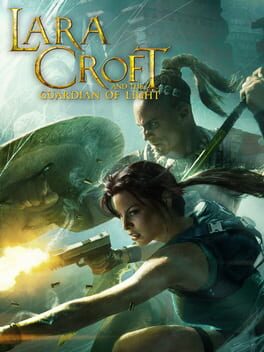
Lara Croft and the Guardian of Light
Optimization · Practiced Mastery
Isometric co-op action puzzler that mixes twin-stick combat with tomb puzzles.
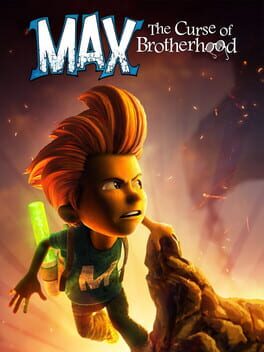
Max: The Curse of Brotherhood
Optimization · Practiced Mastery
Solving drawn-physics puzzles with light platforming execution between them.
Lara Croft and the Guardian of Light leans Optimization (Practiced Mastery); Max: The Curse of Brotherhood leans Optimization (Practiced Mastery).
Lara Croft and the Guardian of LightMax: The Curse of Brotherhood
Axis by axis
Execution5 vs 5
Same score on execution - which means the number cannot separate them. The difference is in what each one asks of you.
Lara Croft and the Guardian of Light
Twin-stick aiming and timed platforming under fire
Max: The Curse of Brotherhood
Platforming and marker-drawing under chase pressure need moderate dexterity
Reads0 vs 0
Same score on reads - which means the number cannot separate them. The difference is in what each one asks of you.
Lara Croft and the Guardian of Light
Enemies spawn in fixed scripted waves
Max: The Curse of Brotherhood
No adaptive opposition - set-piece hazards only
Variance1 vs 1
Same score on variance - which means the number cannot separate them. The difference is in what each one asks of you.
Lara Croft and the Guardian of Light
Levels deterministic once seen
Max: The Curse of Brotherhood
Puzzle solutions are fixed once seen
Optimization6 vs 6
Same score on optimization - which means the number cannot separate them. The difference is in what each one asks of you.
Lara Croft and the Guardian of Light
Puzzle solutions, relic loadouts, and score routing
Max: The Curse of Brotherhood
Each physics puzzle has a discoverable intended solution
A matching score does not mean a matching test. Two games can both sit at 10 on execution and demand completely different things of you - which is why the reasoning above matters more than the number beside it.
Related comparisons
Grand Theft Auto V vs Lara Croft and the Guardian of LightGrand Theft Auto V vs Max: The Curse of BrotherhoodLara Croft and the Guardian of Light vs The Witcher 3: Wild HuntMax: The Curse of Brotherhood vs The Witcher 3: Wild HuntGrand Theft Auto: San Andreas vs Lara Croft and the Guardian of LightGrand Theft Auto: San Andreas vs Max: The Curse of Brotherhood