Building comparison
head to head
Life is Strange: True ColorsvsThe Simpsons: Tapped Out
Neither is meaningfully harder - they pose close to the same test. The widest gap is execution, and it is a single point.
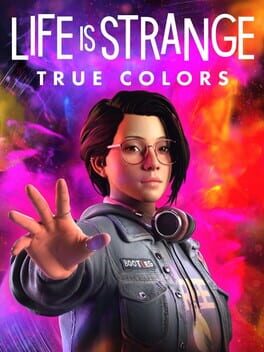
Life is Strange: True Colors
Optimization · Pure Optimization
An empathy-powered mystery where reading emotional states leads methodically to a fixed resolution.
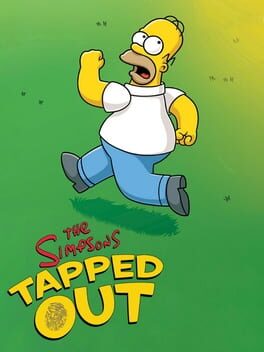
The Simpsons: Tapped Out
Optimization · Systems & Chaos
A freemium town builder testing patience and timer scheduling more than any skill.
Life is Strange: True Colors leans Optimization (Pure Optimization); The Simpsons: Tapped Out leans Optimization (Systems & Chaos).
Life is Strange: True ColorsThe Simpsons: Tapped Out
Axis by axis
Execution1 vs 0
Life is Strange: True Colors leans a little harder on execution, though the gap is small.
Life is Strange: True Colors
Empathy power and navigation demand no physical skill
The Simpsons: Tapped Out
Tapping buildings has no skill component
Reads0 vs 0
Same score on reads - which means the number cannot separate them. The difference is in what each one asks of you.
Life is Strange: True Colors
Scripted small-town mystery with no adaptive NPCs
The Simpsons: Tapped Out
No opponent in a solo town builder
Variance2 vs 2
Same score on variance - which means the number cannot separate them. The difference is in what each one asks of you.
Life is Strange: True Colors
Hidden emotional auras create mild investigative uncertainty
The Simpsons: Tapped Out
Event prize rolls add mild randomness
Optimization5 vs 4
Life is Strange: True Colors leans a little harder on optimization, though the gap is small.
Life is Strange: True Colors
Aura reading leads to deterministic outcomes once the system is understood
The Simpsons: Tapped Out
Task scheduling and payout timing are the only decisions
A matching score does not mean a matching test. Two games can both sit at 10 on execution and demand completely different things of you - which is why the reasoning above matters more than the number beside it.