Building comparison
head to head
Metal Gear Solid 3: SubsistencevsTom Clancy's Ghost Recon Wildlands
Neither is meaningfully harder - they pose close to the same test. The widest gap is variance, and it is a single point.
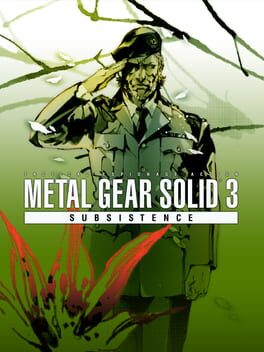
Metal Gear Solid 3: Subsistence
Optimization · Practiced Mastery
Stealth systems mastery against scripted guards with moderate execution needs.
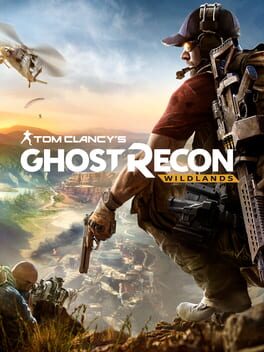
Tom Clancy's Ghost Recon Wildlands
Optimization · Practiced Mastery
An open-world co-op shooter about scouting cartel bases and picking the cleanest approach.
Metal Gear Solid 3: Subsistence leans Optimization (Practiced Mastery); Tom Clancy's Ghost Recon Wildlands leans Optimization (Practiced Mastery).
Metal Gear Solid 3: SubsistenceTom Clancy's Ghost Recon Wildlands
Axis by axis
Execution5 vs 5
Same score on execution - which means the number cannot separate them. The difference is in what each one asks of you.
Metal Gear Solid 3: Subsistence
CQC, aiming and timed escapes demand real but moderate precision
Tom Clancy's Ghost Recon Wildlands
Headshots, drone marking, and sync shots reward steady aim
Reads1 vs 1
Same score on reads - which means the number cannot separate them. The difference is in what each one asks of you.
Metal Gear Solid 3: Subsistence
Guards and bosses run rich but ultimately scripted behaviours
Tom Clancy's Ghost Recon Wildlands
Enemy AI is scripted patrol logic, not adaptive
Variance2 vs 3
Tom Clancy's Ghost Recon Wildlands leans a little harder on variance, though the gap is small.
Metal Gear Solid 3: Subsistence
Patrols and boss quirks are unknown only until studied
Tom Clancy's Ghost Recon Wildlands
Patrol spawns and reinforcements add mild unpredictability
Optimization7 vs 6
Metal Gear Solid 3: Subsistence leans a little harder on optimization, though the gap is small.
Metal Gear Solid 3: Subsistence
Camo, food and route systems reward deep mastery
Tom Clancy's Ghost Recon Wildlands
Outpost approach planning and skill unlocks carry progression
A matching score does not mean a matching test. Two games can both sit at 10 on execution and demand completely different things of you - which is why the reasoning above matters more than the number beside it.
Related comparisons
Grand Theft Auto V vs Metal Gear Solid 3: SubsistenceGrand Theft Auto V vs Tom Clancy's Ghost Recon WildlandsMetal Gear Solid 3: Subsistence vs The Witcher 3: Wild HuntThe Witcher 3: Wild Hunt vs Tom Clancy's Ghost Recon WildlandsGrand Theft Auto: San Andreas vs Metal Gear Solid 3: SubsistenceGrand Theft Auto: San Andreas vs Tom Clancy's Ghost Recon Wildlands