Building comparison
head to head
Metroid II: Return of SamusvsTrine
Neither is meaningfully harder - they pose close to the same test. The widest gap is variance, and it is a single point.
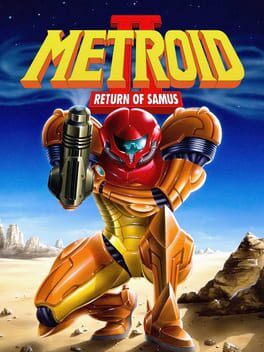
Metroid II: Return of Samus
Optimization · Pure Optimization
The Game Boy expedition that turns Metroid into a methodical extermination checklist deep inside SR388.
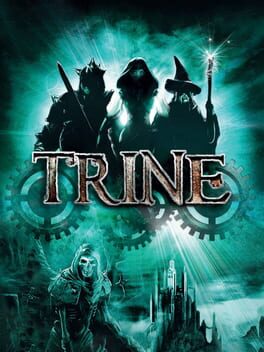
Trine
Optimization · Pure Optimization
A physics puzzle-platformer about swapping three heroes to improvise solutions.
Metroid II: Return of Samus leans Optimization (Pure Optimization); Trine leans Optimization (Pure Optimization).
Metroid II: Return of SamusTrine
Axis by axis
Execution4 vs 4
Same score on execution - which means the number cannot separate them. The difference is in what each one asks of you.
Metroid II: Return of Samus
Cramped Game Boy combat against Metroid forms.
Trine
Physics platforming and wizard-box stacking need dexterity
Reads0 vs 0
Same score on reads - which means the number cannot separate them. The difference is in what each one asks of you.
Metroid II: Return of Samus
Creatures follow fixed behaviours.
Trine
No opponent; puzzles are fixed
Variance2 vs 1
Metroid II: Return of Samus leans a little harder on variance, though the gap is small.
Metroid II: Return of Samus
Disorienting unknown caverns until mapped.
Trine
Levels are static and fully visible
Optimization7 vs 7
Same score on optimization - which means the number cannot separate them. The difference is in what each one asks of you.
Metroid II: Return of Samus
Hunting all 39 Metroids is methodical route work.
Trine
Choosing the right hero and contraption solves each obstacle
A matching score does not mean a matching test. Two games can both sit at 10 on execution and demand completely different things of you - which is why the reasoning above matters more than the number beside it.