Building comparison
head to head
No More Room in HellvsS.T.A.L.K.E.R.: Shadow of Chernobyl
Neither is meaningfully harder - they pose close to the same test. The widest gap is reads, and it is a single point.

No More Room in Hell
Optimization · Practiced Mastery
Co-op survival testing resource discipline and routes under randomised item spawns.
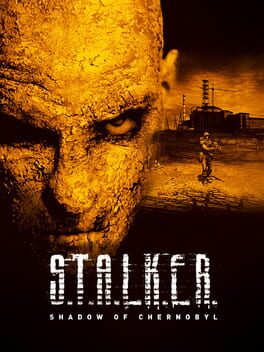
S.T.A.L.K.E.R.: Shadow of Chernobyl
Optimization · Practiced Mastery
An atmospheric open-zone survival shooter set in the Chernobyl exclusion zone.
No More Room in Hell leans Optimization (Practiced Mastery); S.T.A.L.K.E.R.: Shadow of Chernobyl leans Optimization (Practiced Mastery).
No More Room in HellS.T.A.L.K.E.R.: Shadow of Chernobyl
Axis by axis
Execution5 vs 5
Same score on execution - which means the number cannot separate them. The difference is in what each one asks of you.
No More Room in Hell
Scarce-ammo headshots and melee spacing under pressure
S.T.A.L.K.E.R.: Shadow of Chernobyl
Ballistic gunplay punishes sloppy aim
Reads0 vs 1
S.T.A.L.K.E.R.: Shadow of Chernobyl leans a little harder on reads, though the gap is small.
No More Room in Hell
Zombies shamble on scripts without modelling players
S.T.A.L.K.E.R.: Shadow of Chernobyl
A-Life feels alive but doesn't model you
Variance4 vs 5
S.T.A.L.K.E.R.: Shadow of Chernobyl leans a little harder on variance, though the gap is small.
No More Room in Hell
Dynamic objectives and random item spawns reshuffle each run
S.T.A.L.K.E.R.: Shadow of Chernobyl
Anomalies, mutant spawns, and artifact RNG hide information
Optimization6 vs 6
Same score on optimization - which means the number cannot separate them. The difference is in what each one asks of you.
No More Room in Hell
Route knowledge, resource discipline and teamwork are the real edge
S.T.A.L.K.E.R.: Shadow of Chernobyl
Artifact economy, routes, and stash knowledge converge
A matching score does not mean a matching test. Two games can both sit at 10 on execution and demand completely different things of you - which is why the reasoning above matters more than the number beside it.
Related comparisons
Grand Theft Auto V vs No More Room in HellGrand Theft Auto V vs S.T.A.L.K.E.R.: Shadow of ChernobylNo More Room in Hell vs The Witcher 3: Wild HuntS.T.A.L.K.E.R.: Shadow of Chernobyl vs The Witcher 3: Wild HuntGrand Theft Auto: San Andreas vs No More Room in HellGrand Theft Auto: San Andreas vs S.T.A.L.K.E.R.: Shadow of Chernobyl