Building comparison
head to head
Orcs Must Die! UnchainedvsThe Lord of the Rings: The Battle for Middle-earth II
Neither is harder. They score identically on all four axes, so the difference between them is in kind, not degree.
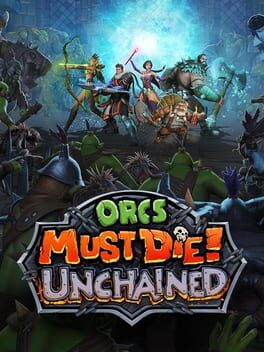
Orcs Must Die! Unchained
Optimization · Practiced Mastery
Trap-maze economics against human attackers who adapt their pushes.
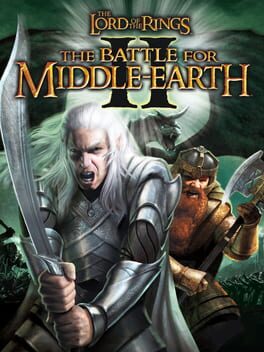
The Lord of the Rings: The Battle for Middle-earth II
Optimization · Practiced Mastery
Tolkien-licensed RTS with freeform base building and large-scale faction warfare.
Orcs Must Die! Unchained leans Optimization (Practiced Mastery); The Lord of the Rings: The Battle for Middle-earth II leans Optimization (Practiced Mastery).
Orcs Must Die! UnchainedThe Lord of the Rings: The Battle for Middle-earth II
Axis by axis
Execution5 vs 5
Same score on execution - which means the number cannot separate them. The difference is in what each one asks of you.
Orcs Must Die! Unchained
Third-person combat matters but traps do the killing
The Lord of the Rings: The Battle for Middle-earth II
Moderate APM demands, forgiving unit control
Reads5 vs 5
Same score on reads - which means the number cannot separate them. The difference is in what each one asks of you.
Orcs Must Die! Unchained
PvP sieges reward predicting enemy pushes and trap placement
The Lord of the Rings: The Battle for Middle-earth II
Human opponents in skirmish reward prediction
Variance2 vs 2
Same score on variance - which means the number cannot separate them. The difference is in what each one asks of you.
Orcs Must Die! Unchained
Card draws and minion waves add mild noise
The Lord of the Rings: The Battle for Middle-earth II
Mostly open information, light randomness
Optimization7 vs 7
Same score on optimization - which means the number cannot separate them. The difference is in what each one asks of you.
Orcs Must Die! Unchained
Trap economy and maze layout theory decide fortresses
The Lord of the Rings: The Battle for Middle-earth II
Economy, base layout, and faction counters drive wins
A matching score does not mean a matching test. Two games can both sit at 10 on execution and demand completely different things of you - which is why the reasoning above matters more than the number beside it.
full breakdown
Orcs Must Die! Unchained →
full breakdown
The Lord of the Rings: The Battle for Middle-earth II →
Related comparisons
Grand Theft Auto V vs Orcs Must Die! UnchainedGrand Theft Auto V vs The Lord of the Rings: The Battle for Middle-earth IIOrcs Must Die! Unchained vs The Witcher 3: Wild HuntThe Lord of the Rings: The Battle for Middle-earth II vs The Witcher 3: Wild HuntGrand Theft Auto: San Andreas vs Orcs Must Die! UnchainedGrand Theft Auto: San Andreas vs The Lord of the Rings: The Battle for Middle-earth II