Building comparison
head to head
Street Fighter II: The World WarriorvsUltimate Marvel vs. Capcom 3
Neither is meaningfully harder - they pose close to the same test. The widest gap is optimization, and it is a single point.
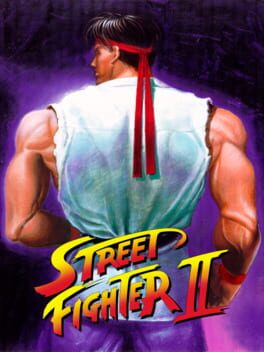
Street Fighter II: The World Warrior
Execution · Competitive PvP
A test of precise inputs and constant human prediction across a fixed roster of matchup puzzles.
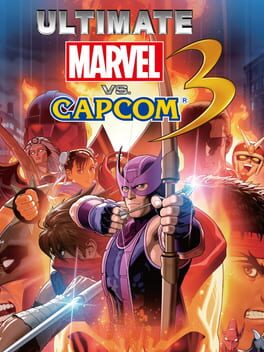
Ultimate Marvel vs. Capcom 3
Execution · Grand Arena
A hyper-fast tag fighting game defined by three-character teams and touch-of-death combos.
Street Fighter II: The World Warrior leans Execution (Competitive PvP); Ultimate Marvel vs. Capcom 3 leans Execution (Grand Arena).
Street Fighter II: The World WarriorUltimate Marvel vs. Capcom 3
Axis by axis
Execution9 vs 9
Same score on execution - which means the number cannot separate them. The difference is in what each one asks of you.
Street Fighter II: The World Warrior
Frame-precise inputs and combo timing define every matchup
Ultimate Marvel vs. Capcom 3
Long touch-of-death combos demand elite hands
Reads8 vs 8
Same score on reads - which means the number cannot separate them. The difference is in what each one asks of you.
Street Fighter II: The World Warrior
Predicting human opponent's next move is constant and non-convergent
Ultimate Marvel vs. Capcom 3
Mixups and assist baits versus adapting humans
Variance1 vs 1
Same score on variance - which means the number cannot separate them. The difference is in what each one asks of you.
Street Fighter II: The World Warrior
No meaningful RNG; match outcomes are skill-determined
Ultimate Marvel vs. Capcom 3
Almost fully deterministic
Optimization5 vs 6
Ultimate Marvel vs. Capcom 3 leans a little harder on optimization, though the gap is small.
Street Fighter II: The World Warrior
Character matchups and punish routes are learnable but not fully solvable
Ultimate Marvel vs. Capcom 3
Team composition and matchup knowledge run deep
A matching score does not mean a matching test. Two games can both sit at 10 on execution and demand completely different things of you - which is why the reasoning above matters more than the number beside it.
Related comparisons
Call of Duty: Modern Warfare 2 vs Street Fighter II: The World WarriorUltimate Marvel vs. Capcom 3 vs Ultra Street Fighter IVCounter-Strike: Global Offensive vs Street Fighter II: The World WarriorUltimate Marvel vs. Capcom 3 vs Warcraft III: Reign of ChaosCall of Duty: Black Ops vs Street Fighter II: The World WarriorStarCraft vs Ultimate Marvel vs. Capcom 3