Building comparison
head to head
Stronghold LegendsvsThe Lord of the Rings: The Battle for Middle-earth
Neither is meaningfully harder - they pose close to the same test. The widest gap is variance, and it is a single point.
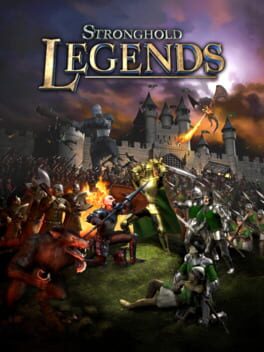
Stronghold Legends
Optimization · Mind & Math
Legend-enhanced castle RTS where mythological units and supply chain management layer over classical siege warfare.
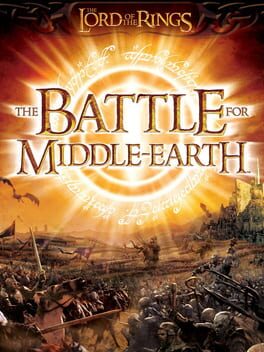
The Lord of the Rings: The Battle for Middle-earth
Optimization · Mind & Math
Tolkien RTS where build orders and army counters decide the war for Middle-earth.
Stronghold Legends leans Optimization (Mind & Math); The Lord of the Rings: The Battle for Middle-earth leans Optimization (Mind & Math).
Stronghold LegendsThe Lord of the Rings: The Battle for Middle-earth
Axis by axis
Execution5 vs 5
Same score on execution - which means the number cannot separate them. The difference is in what each one asks of you.
Stronghold Legends
Legend unit micro and siege timing require practiced multitasking
The Lord of the Rings: The Battle for Middle-earth
Micro and multitasking under real-time pressure
Reads6 vs 6
Same score on reads - which means the number cannot separate them. The difference is in what each one asks of you.
Stronghold Legends
Opponent legend faction and army composition must be predicted
The Lord of the Rings: The Battle for Middle-earth
Multiplayer rewards predicting opponent army choices
Variance4 vs 3
Stronghold Legends leans a little harder on variance, though the gap is small.
Stronghold Legends
Estate resource distributions and legend power recharge add uncertainty
The Lord of the Rings: The Battle for Middle-earth
Scouting hides enemy composition until revealed
Optimization7 vs 7
Same score on optimization - which means the number cannot separate them. The difference is in what each one asks of you.
Stronghold Legends
Estate production chains and legend ability sequencing are learnable
The Lord of the Rings: The Battle for Middle-earth
Build orders and counter units are largely solvable
A matching score does not mean a matching test. Two games can both sit at 10 on execution and demand completely different things of you - which is why the reasoning above matters more than the number beside it.
full breakdown
Stronghold Legends →
full breakdown
The Lord of the Rings: The Battle for Middle-earth →
Related comparisons
Age of Empires vs Stronghold LegendsAge of Empires vs The Lord of the Rings: The Battle for Middle-earthAge of Mythology vs Stronghold LegendsAge of Mythology vs The Lord of the Rings: The Battle for Middle-earthAge of Empires III vs Stronghold LegendsAge of Empires III vs The Lord of the Rings: The Battle for Middle-earth