Building comparison
head to head
Supreme Commander 2vsThe Lord of the Rings: The Battle for Middle-earth II
Neither is meaningfully harder - they pose close to the same test. The widest gap is execution, and it is a single point.
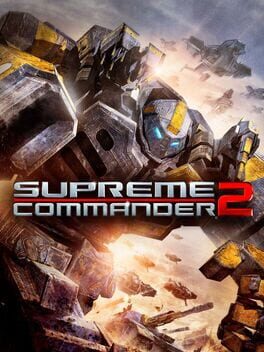
Supreme Commander 2
Optimization · Grand Arena
Large-scale RTS testing economic optimization, multitask speed and prediction of human build choices.
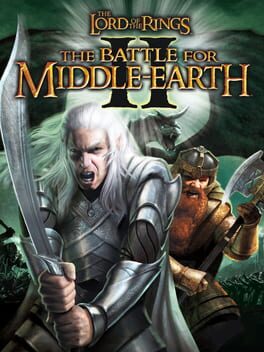
The Lord of the Rings: The Battle for Middle-earth II
Optimization · Practiced Mastery
Tolkien-licensed RTS with freeform base building and large-scale faction warfare.
Supreme Commander 2 leans Optimization (Grand Arena); The Lord of the Rings: The Battle for Middle-earth II leans Optimization (Practiced Mastery).
Supreme Commander 2The Lord of the Rings: The Battle for Middle-earth II
Axis by axis
Execution6 vs 5
Supreme Commander 2 leans a little harder on execution, though the gap is small.
Supreme Commander 2
Macro APM across huge armies separates skirmish winners
The Lord of the Rings: The Battle for Middle-earth II
Moderate APM demands, forgiving unit control
Reads6 vs 5
Supreme Commander 2 leans a little harder on reads, though the gap is small.
Supreme Commander 2
Multiplayer rewards scouting and predicting a human's tech switches
The Lord of the Rings: The Battle for Middle-earth II
Human opponents in skirmish reward prediction
Variance2 vs 2
Same score on variance - which means the number cannot separate them. The difference is in what each one asks of you.
Supreme Commander 2
Open maps leave little hidden beyond fog of war
The Lord of the Rings: The Battle for Middle-earth II
Mostly open information, light randomness
Optimization8 vs 7
Supreme Commander 2 leans a little harder on optimization, though the gap is small.
Supreme Commander 2
Economy ratios, build orders and research routing are deeply solvable
The Lord of the Rings: The Battle for Middle-earth II
Economy, base layout, and faction counters drive wins
A matching score does not mean a matching test. Two games can both sit at 10 on execution and demand completely different things of you - which is why the reasoning above matters more than the number beside it.
full breakdown
Supreme Commander 2 →
full breakdown
The Lord of the Rings: The Battle for Middle-earth II →
Related comparisons
Supreme Commander 2 vs Warcraft III: Reign of ChaosGrand Theft Auto V vs The Lord of the Rings: The Battle for Middle-earth IIStarCraft vs Supreme Commander 2The Lord of the Rings: The Battle for Middle-earth II vs The Witcher 3: Wild HuntOverwatch vs Supreme Commander 2Grand Theft Auto: San Andreas vs The Lord of the Rings: The Battle for Middle-earth II