Building comparison
head to head
Supreme CommandervsThe Lord of the Rings: The Battle for Middle-earth II
Neither is meaningfully harder - they pose close to the same test. The widest gap is optimization, and it is a single point.
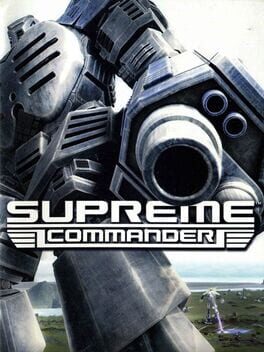
Supreme Commander
Optimization · Pure Optimization
Large-scale RTS famous for strategic zoom, thousand-unit armies, and a streaming mass-energy economy.
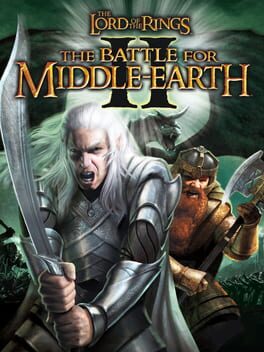
The Lord of the Rings: The Battle for Middle-earth II
Optimization · Practiced Mastery
Tolkien-licensed RTS with freeform base building and large-scale faction warfare.
Supreme Commander leans Optimization (Pure Optimization); The Lord of the Rings: The Battle for Middle-earth II leans Optimization (Practiced Mastery).
Supreme CommanderThe Lord of the Rings: The Battle for Middle-earth II
Axis by axis
Execution5 vs 5
Same score on execution - which means the number cannot separate them. The difference is in what each one asks of you.
Supreme Commander
Massive APM demands across strategic-zoom battlefields
The Lord of the Rings: The Battle for Middle-earth II
Moderate APM demands, forgiving unit control
Reads5 vs 5
Same score on reads - which means the number cannot separate them. The difference is in what each one asks of you.
Supreme Commander
PvP hinges on scouting and countering opponent commitments
The Lord of the Rings: The Battle for Middle-earth II
Human opponents in skirmish reward prediction
Variance2 vs 2
Same score on variance - which means the number cannot separate them. The difference is in what each one asks of you.
Supreme Commander
Deterministic engine; only unscouted intel
The Lord of the Rings: The Battle for Middle-earth II
Mostly open information, light randomness
Optimization8 vs 7
Supreme Commander leans a little harder on optimization, though the gap is small.
Supreme Commander
Streaming economy and build-order efficiency are the backbone
The Lord of the Rings: The Battle for Middle-earth II
Economy, base layout, and faction counters drive wins
A matching score does not mean a matching test. Two games can both sit at 10 on execution and demand completely different things of you - which is why the reasoning above matters more than the number beside it.
full breakdown
Supreme Commander →
full breakdown
The Lord of the Rings: The Battle for Middle-earth II →
Related comparisons
Portal 2 vs Supreme CommanderGrand Theft Auto V vs The Lord of the Rings: The Battle for Middle-earth IISupreme Commander vs The Elder Scrolls V: SkyrimThe Lord of the Rings: The Battle for Middle-earth II vs The Witcher 3: Wild HuntPortal vs Supreme CommanderGrand Theft Auto: San Andreas vs The Lord of the Rings: The Battle for Middle-earth II