Building comparison
head to head
The Elder Scrolls V: SkyrimvsWarhammer 40,000: Gladius - Relics of War
Warhammer 40,000: Gladius - Relics of War asks more than The Elder Scrolls V: Skyrim, and the gap is variance.
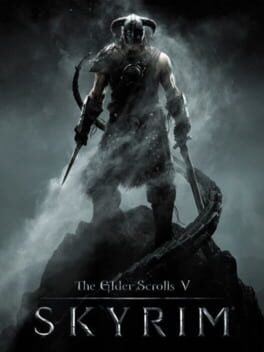
The Elder Scrolls V: Skyrim
Optimization · Pure Optimization
An open-world RPG mostly about discovering and stacking exploitable progression systems.
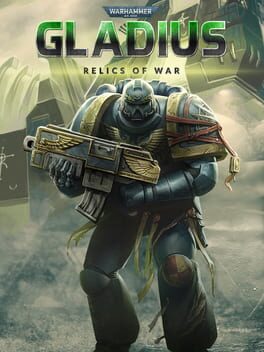
Warhammer 40,000: Gladius - Relics of War
Optimization · Pure Optimization
Racing to secure relics and optimize unit upgrade chains in a hostile hex-grid wargame.
The Elder Scrolls V: Skyrim leans Optimization (Pure Optimization); Warhammer 40,000: Gladius - Relics of War leans Optimization (Pure Optimization).
The Elder Scrolls V: SkyrimWarhammer 40,000: Gladius - Relics of War
Axis by axis
Execution3 vs 2
The Elder Scrolls V: Skyrim leans a little harder on execution, though the gap is small.
The Elder Scrolls V: Skyrim
Combat is forgiving; aim and timing rarely punish you.
Warhammer 40,000: Gladius - Relics of War
Hex turn-based; no physical precision ceiling
Reads0 vs 2
Warhammer 40,000: Gladius - Relics of War leans clearly harder on reads.
The Elder Scrolls V: Skyrim
Enemy AI is scripted and exploitable; not adaptive.
Warhammer 40,000: Gladius - Relics of War
AI factions follow fixed expansion doctrines without adaptive modelling
Variance2 vs 5
Warhammer 40,000: Gladius - Relics of War leans clearly harder on variance.
The Elder Scrolls V: Skyrim
Loot tables and leveled lists inject mild randomness.
Warhammer 40,000: Gladius - Relics of War
Random relic placement and event spawns add meaningful hidden unknowns
Optimization7 vs 9
Warhammer 40,000: Gladius - Relics of War leans clearly harder on optimization.
The Elder Scrolls V: Skyrim
Skill stacking, enchant loops, and exploits are deeply solvable.
Warhammer 40,000: Gladius - Relics of War
Unit upgrade routing and resource building sequencing are deeply solvable
A matching score does not mean a matching test. Two games can both sit at 10 on execution and demand completely different things of you - which is why the reasoning above matters more than the number beside it.
full breakdown
The Elder Scrolls V: Skyrim →
full breakdown
Warhammer 40,000: Gladius - Relics of War →
Related comparisons
Elden Ring vs The Elder Scrolls V: SkyrimPortal 2 vs Warhammer 40,000: Gladius - Relics of WarThe Elder Scrolls IV: Oblivion vs The Elder Scrolls V: SkyrimPortal vs Warhammer 40,000: Gladius - Relics of WarPortal 2 vs The Elder Scrolls V: SkyrimFallout: New Vegas vs Warhammer 40,000: Gladius - Relics of War